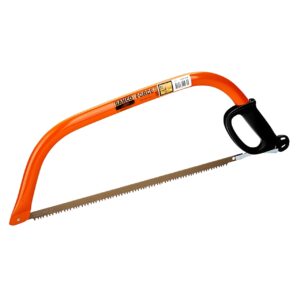
Bahco Steel Bow Saw: Why Is It a Smart Workshop Choice?
A Bahco Steel Bow Saw is built for clean, controlled cutting when you need dependable results in the workshop or on site. Because it combines a rigid steel frame with steady blade tension, it helps you cut timber and plastics with less chatter and less effort.
What Is a Steel Bow Saw and How Does It Work?
A bow saw uses a curved steel frame to hold a narrow blade under tension. That tension keeps the blade straight, so your cut tracks better through thick wood, awkward angles, and uneven grain. A steel frame also resists flex, which improves stability when you work quickly.
For many jobs, it is a practical alternative to powered tools. It is quiet, portable, and easier to control in tight spaces.
Bahco Steel Bow Saw Features That Improve Results
Frame strength and consistent tension
A strong frame supports a straighter cut and a smoother stroke. When tension stays consistent, the blade bites cleanly and clears sawdust efficiently, especially in green wood. This matters when you are trimming boards, cutting branches, or sizing sheet materials for fitting.
Grips that support safety and control
Comfortable grips reduce slip risk and wrist strain. With better control, you can steer the blade accurately and keep edges neater for follow up work like sanding, drilling, or fastening.
Blade choice for wood and plastics
Bow saw blades vary in tooth pattern and pitch. Finer teeth often suit plastics and thin stock, while coarser teeth cut faster through thicker wood. Choosing the right blade helps prevent snagging and improves the finish.
Best Use Cases for a Bahco Steel Bow Saw
The Bahco Steel Bow Saw is well known for timber and garden work, yet it also supports light fabrication and maintenance tasks where mixed materials show up.
Construction and installation work
It is useful for trimming studs, cutting battens, and sizing plywood. Installers also use it for wooden backboards and supports around cable routes. When you are organising cables, straight cuts help keep runs aligned and reduce abrasion points.
Workshop builds for electronics and benches
Even in electronics projects, you sometimes cut non metal materials for prototypes, benches, and mounting surfaces. You might size a panel for a test fixture that holds sensors, controllers, and microcontrollers. You might trim plastic ducting used to separate signal cables from power lines near contactors and switches.
If you build demo stands for LEDs, connectors, and small control hardware, cleaner edges reduce snag risks and keep layouts professional. This can be helpful when you are working around laptops, cable harnesses, and sensitive boards.
Storage and safety upgrades
A bow saw can help you cut shelving parts, dividers, or simple guards for a storage area. That supports safety by keeping tools organised and reducing trip hazards. It also helps you manage parts bins for fuses, capacitors, and other components used in control panels.
How to Cut Cleaner and Faster
A few habits make a noticeable difference.
-
Use long, even strokes so the teeth clear dust instead of clogging
-
Start with light pressure to establish a straight kerf, then increase gradually
-
Keep the frame square to the workpiece to avoid twisting the blade
-
Clamp the work to reduce vibration and improve safety
-
Match the blade to material thickness and desired finish
If you cut plastics near electronics, clean up thoroughly. Small swarf can cling to surfaces and get into connectors or around sensors.
Safety Tips for Confident Daily Use
A hand saw still needs disciplined handling.
-
Wear eye protection when cutting dry timber or plastics
-
Keep fingers clear of the cutting line and use clamps where possible
-
Check blade sharpness and alignment before you start
-
Maintain a stable stance and cut away from your body
-
Store the saw with the blade protected
If you keep workshop oils nearby, wipe hands before cutting. Oily grips reduce control and can compromise safety.
Selecting the Right Blade and Setup
Think about what you cut most often.
-
For fast cutting in thick wood, choose a more aggressive tooth pattern
-
For plastics and cleaner edges, use finer teeth with lighter pressure
-
For frequent site work, prioritise reliable tension and a frame that resists bending
-
For long sessions, choose grips that support neutral wrist posture
In mixed environments, such as preparing mounting boards for controllers or building a bench for laptop repair, this tool handles quick cuts that do not justify a powered saw.
Care, Maintenance, and Workshop Cleanliness
Simple upkeep keeps performance consistent.
-
Clean the blade after use to remove resin and dust
-
Dry the frame after outdoor work to reduce corrosion
-
Replace blades when cutting slows or the saw begins to wander
-
Keep a spare blade for different materials and tooth patterns
If your workspace includes microprocessors and other sensitive electronics, cleanliness matters. Debris can migrate into ports, switches, and connectors, and thermal pads can pick up dust that reduces contact quality.
Final Thoughts
The Bahco Steel Bow Saw is a strong choice for anyone who wants steady control, solid tension, and reliable cutting across common workshop materials. Whether you are trimming timber for a build, preparing supports for cables, or shaping panels for electronics setups with sensors and controllers, it offers a simple, efficient way to get clean results with comfort and safety.