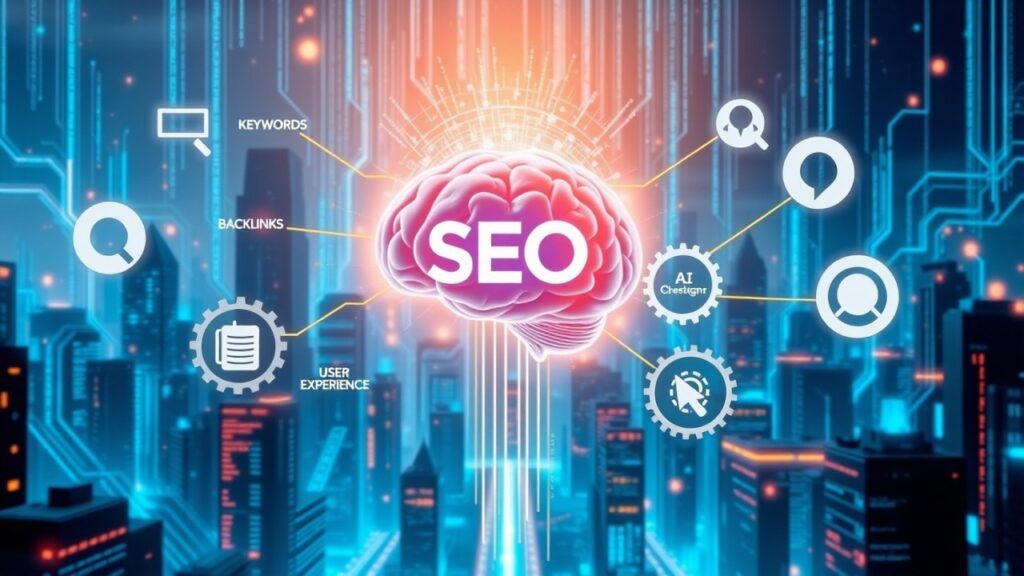
In 2026, the traditional SEO playbook hasn’t just been updated; it has been overwritten. With AI search volume projected to cannibalize nearly a quarter of standard organic traffic, the industry’s elite have pivoted to top generative engine optimization (geo) agencies. The goal is no longer just “ranking” on a page; it is securing the “citation share” within LLM-generated responses.
The Death of the Click and the Rise of the Citation
For decades, the metric of success was the click-through rate (CTR). In the current landscape, Google’s AI Overviews and platforms like Perplexity often satisfy user intent before a single link is clicked. This shift has forced brands to move from keyword stuffing to entity salience.
According to recent 2026 industry data, nearly 60% of users now engage primarily with search pages featuring AI-generated summaries. When these summaries appear, traditional organic CTR can plummet by over 60%. For a brand to remain relevant, it must be the source the AI trusts to synthesize its answer. This is where top generative engine optimization (GEO) agencies separate themselves from legacy SEO firms. They aren’t just building links; they are engineering “citability.”
Strategic Pillars of GEO-Native Agencies
The agencies leading the charge in 2026 operate on a different technical frequency. They focus on three core areas that traditional SEO often ignores:
- Entity Mapping and Schema Sophistication: It isn’t enough to have a fast site. Top agencies use advanced JSON-LD and entity modeling to tell LLMs exactly who a brand is and why it’s an authority. By leveraging Organization, FAQ, and HowTo schema patterns, they provide the structured “scaffolding” that AI models use to parse and verify information.
- Citation Gap Analysis: The elite firms perform audits not just of keywords, but of LLM prompts. They analyze which competitors are being cited in ChatGPT or Gemini responses and identify the “information gaps”—the specific data points or expert perspectives the AI is missing.
- Source Credibility & Digital PR: AI models prioritize “trust signals” from across the web. This means high-authority mentions in niche forums, Reddit, and reputable news outlets are more valuable than a hundred low-quality backlinks.
As one veteran strategist recently noted on a popular marketing forum:
“We’re clearly past the ‘SEO = rank + click’ era. The real goal is now to be understood, selected, and quoted. It’s moving from ‘how do I attract clicks?’ to ‘would an AI trust my content enough to answer on my behalf?'”
Engineering for AI Retrievability
To win in the generative era, content must be formatted for machine consumption without losing human appeal. This is a delicate balance of “bursty” writing—mixing short, punchy facts with deep, nuanced analysis.
Furthermore, the data shows that comparative list articles make up nearly a third of all mentions in AI outputs. This contradicts old-school wisdom that favored massive, rambling “ultimate guides.” In 2026, clarity is the ultimate authority. AI engines prefer content that is semantically precise and easily extractable.
The Multi-Platform Reality
SEO used to be a Google-only game. GEO is a multi-platform war. A brand’s footprint on Reddit, LinkedIn, and specialized industry journals now serves as the training data for the very models that generate search answers.
Real-world testing has shown that brands with strong mentions on community forums are recommended by LLMs up to 3x more often than those relying solely on traditional on-page SEO. As a user on a prominent digital marketing subreddit observed:
“GEO forces you to be more honest and more precise. It’s less about cosmetic optimization and more about real clarity.”
Measuring Success in a Zero-Click World
The KPIs of 2026 are radically different. While organic traffic still matters, “Share of Voice” in AI responses has become the primary metric for enterprise brands. Top agencies now use specialized tracking tools to monitor:
- Sentiment Alignment: How is the AI describing your brand?
- Citation Placement: Are you the primary source or buried in a “read more” link?
- Entity Health: How accurately does the global Knowledge Graph represent your business?
The transition from SEO to GEO is not a trend; it is a structural requirement for survival. Brands that continue to optimize for the search engines of 2015 will find themselves invisible in the AI-driven reality of 2026. Success now belongs to those who provide the most “citable” truth in a world of generated noise.