What Should You Expect from High-Performance Safety Boots?
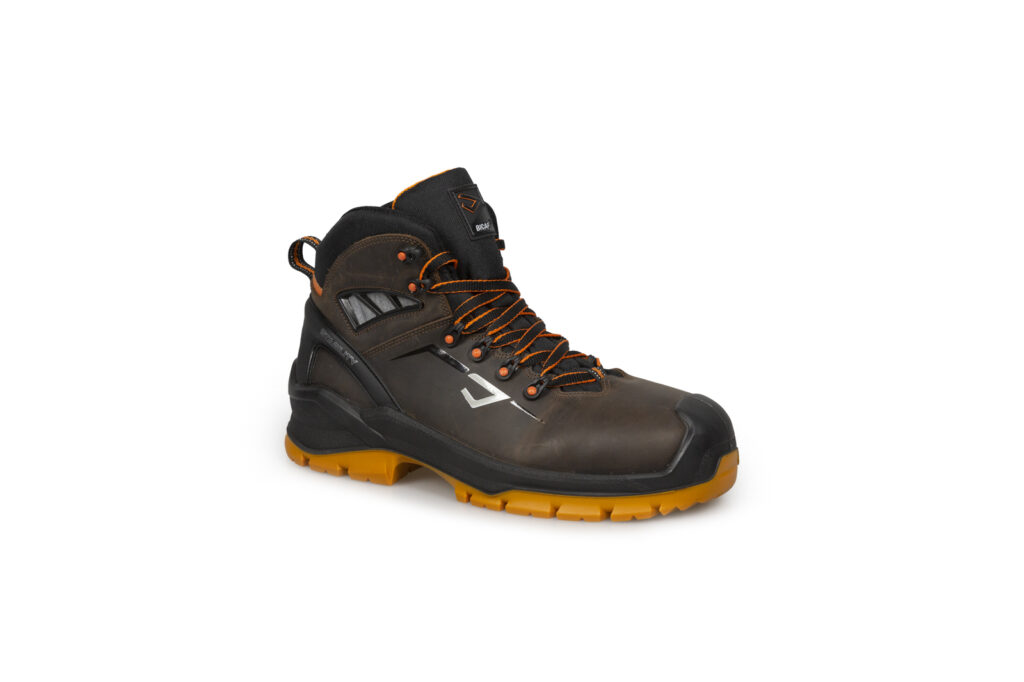
Safety Boots
In fast-paced industrial environments, the right gear can significantly reduce the risk of injury. Among the most vital pieces of protective equipment are Safety Boots. These boots are not just heavy-duty shoes—they are precision-engineered tools for foot safety, posture support, and accident prevention across various work settings.
Why Are Safety Boots Considered Essential PPE?
Personal protective equipment (PPE) is mandated in many industries where workers face physical, environmental, or chemical hazards. Safety Boots are a cornerstone of PPE because they protect feet from impacts, slips, and harmful substances, which can cause serious injuries if left unprotected.
Jobs that demand Safety Boots include:
- High-rise and groundwork construction
- Heavy equipment operation
- Warehousing and packaging
- Vehicle maintenance and engineering
- Waste handling and sanitation
- Pest control and landscaping
- Fire response and emergency services
The use of Safety Boots in these environments helps protect against common on-site accidents and ensures compliance with safety protocols.
What Are the Core Functions of Safety Boots?
Unlike regular footwear, Safety Boots are built with functionality in mind. Their structure is designed to prevent injuries while promoting comfort, flexibility, and durability throughout a long working day.
Core functions include:
- Toe protection using steel, aluminium, or composite caps to guard against falling tools or equipment
- Sole reinforcement for puncture resistance against nails, screws, or glass
- Non-slip traction for stability on oily, wet, or unstable ground
- Waterproofing and insulation to deal with cold, heat, or chemical exposure
- Shock absorption that reduces fatigue from constant movement
- Electric hazard protection in specialised boots for electricians and technicians
Each function supports safer working conditions and protects against both acute and long-term injuries.
What Design Elements Contribute to Boot Performance?
When evaluating Safety Boots, both internal and external design features must be considered. High-performance boots include features that enhance mobility, regulate temperature, and provide support.
Notable design components:
- Dual-density outsoles that enhance grip while absorbing pressure
- Padded collars and tongues for ankle support
- Ergonomic insole systems that improve arch support and alignment
- Breathable linings to control moisture build-up
- Reinforced heel counters to improve foot stability
- Quick-lace or side-zip closures for efficient wear and removal
These design features are increasingly common in modern Safety Boots, especially in industries where comfort and mobility are as important as protection.
What Are the Most Common Safety Classifications?
Safety Boots are categorised based on their protective attributes. Understanding the different safety classes allows buyers and employers to choose footwear that fits specific work conditions.
Recognised classifications under EN ISO 20345:
- SB – Basic toe protection
- S1 – Includes anti-static properties and heel energy absorption
- S1P – Adds midsole penetration resistance
- S2 – Water penetration and absorption resistance
- S3 – Combines all S1 features with water resistance and a cleated outsole
- S5 – Full safety protection in waterproof material, often for outdoor or wet environments
Each rating corresponds to a different level of risk mitigation and should be matched to the job site’s hazard profile.
How Should Safety Boots Fit for Maximum Effectiveness?
A proper fit is crucial when selecting Safety Boots. Ill-fitting footwear can lead to discomfort, blisters, reduced circulation, and even tripping. A good fit maximises the protective benefits while improving posture and energy conservation.
Key considerations for sizing:
- Allow adequate toe space without excessive movement
- Ensure a snug heel fit to prevent slippage
- Check for arch compatibility to avoid mid-foot strain
- Walk in them before use to test pressure points or discomfort
- Wear with appropriate work socks for accurate sizing
Boots should feel secure without being tight, ensuring flexibility and grip in motion.
What Are the Maintenance Habits for Lasting Boot Performance?
Even the most rugged Safety Boots require routine care to remain effective. Regular maintenance not only improves performance but also extends product lifespan and ensures hygiene.
Recommended maintenance tips:
- Clean exterior surfaces to remove debris, mud, or chemicals
- Dry boots naturally after exposure to moisture
- Apply protective treatments suitable for leather or synthetic materials
- Inspect soles and uppers for visible wear or damage
- Rotate pairs if possible to allow drying and resting time
- Replace components like laces or insoles as needed
Proper upkeep prevents performance loss and reduces the likelihood of gear-related injury.
What Technological Trends Are Emerging in Safety Boot Design?
The safety footwear industry continues to evolve with innovations that combine durability with smart functionality. These advancements make Safety Boots more comfortable, sustainable, and suitable for a range of working conditions.
Recent developments include:
- Lightweight composite materials for increased flexibility
- Eco-conscious manufacturing using recycled components
- Smart wearables integration for motion tracking or fatigue monitoring
- Temperature-regulating linings that adapt to different climates
- Advanced anti-fatigue technologies built into insoles
Modern boots are now expected to do more than protect, they enhance worker experience and reduce long-term health risks.
Conclusion: Why Should Safety Boots Be a Workplace Standard?
Safety Boots are more than just a protective measure, they are a smart investment in employee welfare, productivity, and regulatory compliance. With so many types, ratings, and materials to choose from, every jobsite can be matched with an ideal footwear solution.
By focusing on proper fit, industry certification, and comfort-enhancing features, workers and employers alike can build a safer, more efficient workplace. In environments where every step matters, Safety Boots remain the ultimate shield beneath your feet.