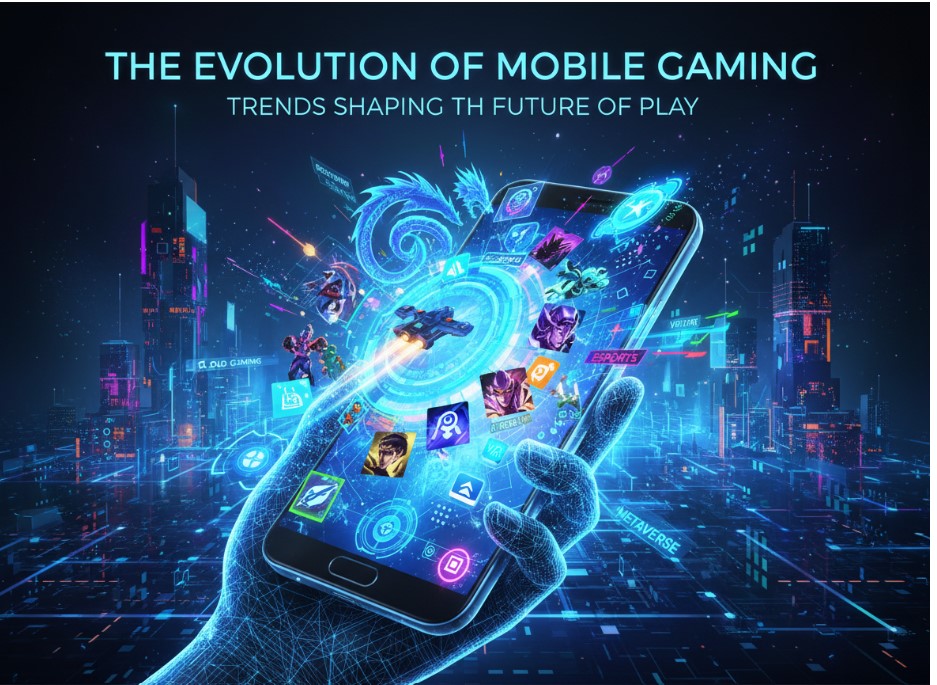
Mobile gaming has come a long way since the pixelated snake chased a dot on a monochrome screen. Today, it stands as the dominant force in the global video game industry, eclipsing both console and PC markets combined. What was once a way to pass time while waiting for a bus has evolved into a sophisticated ecosystem of competitive sports, immersive storytelling, and social connectivity.
As technology accelerates, the boundaries of what is possible on a handheld device are constantly expanding. Developers are pushing graphical fidelity to console levels, while new business models are changing how players access and interact with content.
This article explores the major trends currently reshaping the mobile gaming landscape. From the rise of cloud gaming to the integration of augmented reality, we will examine how these innovations are influencing player behavior and what the future holds for this dynamic industry.
The Shift to Cloud Gaming
One of the most significant barriers to entry for high-end gaming has always been hardware. To play the latest titles with the best graphics, you historically needed a powerful PC or the newest console. Cloud gaming is dismantling this barrier.
By offloading the heavy processing work to remote servers, cloud services allow players to stream games directly to their mobile devices. The phone acts merely as a display and controller, while a data center hundreds of miles away handles the rendering. This democratization of access means that a mid-range smartphone can now run AAA titles that were previously impossible to play on mobile.
This shift is not just about graphics; it is about accessibility. It allows players to seamlessly switch between devices, starting a game on a TV and finishing it on a phone during a commute. As 5G networks continue to roll out globally, the latency issues that once plagued cloud gaming are vanishing, paving the way for a truly platform-agnostic future.
The Rise of Hyper-Casual and Hybrid-Casual Games
While hardcore gamers look to the cloud, a massive segment of the market is moving in the opposite direction: simplicity. Hyper-casual games—characterized by simple mechanics, short sessions, and minimal learning curves—have dominated app store charts for years. These are the “tap to jump” or “slide to puzzle” games that anyone can pick up and play instantly.
However, a new trend is emerging: the hybrid-casual model. This genre blends the satisfying, simple core mechanics of hyper-casual games with the deeper progression systems found in mid-core RPGs or strategy games.
For example, a game might have a simple shooting mechanic (hyper-casual) but wrap it in a system where you collect gear, upgrade characters, and compete in leaderboards (mid-core). This evolution increases player retention. Instead of playing a game for a week and deleting it, players stick around for months to build their virtual empires.
Monetization and the “Free-to-Play” Economy
The business of mobile gaming has shifted almost entirely to a “Freemium” model. Players expect to download games for free, with revenue generated through ads or in-app purchases. This model has proven incredibly lucid, but it requires a delicate balance.
Developers must design games that are fun enough to play for free, yet offer enough incentive for players to spend money. This has led to the proliferation of “battle passes,” cosmetic skins, and time-saving boosters.
Smart players are learning to navigate this economy efficiently. They look for promotional opportunities to maximize their experience without breaking the bank. For instance, in the realm of social gaming apps, finding a reliable free credit link can provide a significant boost. These resources often grant players introductory currency or items that would otherwise require hours of grinding or a cash purchase, allowing them to enjoy the premium aspects of a game right from the start.
Augmented Reality (AR) Integration
When Pokémon GO launched, it introduced the world to the potential of Augmented Reality (AR). By overlaying digital elements onto the real world through a phone camera, AR creates a unique blend of physical and virtual play.
While the initial hype has settled, the technology has matured. Developers are now using AR for more than just catching monsters. We are seeing it used in:
- Tabletop Strategy: Games that project a virtual board onto your kitchen table, allowing you to walk around and inspect the battlefield from different angles.
- Puzzle Games: Experiences that use the physical geometry of your room to create obstacles and challenges.
- Social Interaction: Multiplayer games where players must meet in real-world locations to cooperate or compete.
As mobile hardware improves—specifically with the addition of LiDAR scanners in newer phones—AR is becoming more precise and immersive. It is moving from a gimmick to a core gameplay mechanic.
The Social Aspect: Gaming as a Platform
Mobile games are no longer solitary experiences. They are social platforms. Titles like Roblox, Fortnite, and Among Us have shown that for younger generations, gaming is the primary way they hang out with friends.
This “metaverse” trend sees games incorporating features like voice chat, virtual concerts, and shared creative spaces. The game itself is often secondary to the social interaction it facilitates.
This shift forces developers to prioritize community features. Guild systems, chat lobbies, and cooperative modes are now standard requirements for success. Even single-player games are integrating social elements, such as global leaderboards or the ability to borrow characters from friends’ rosters.
Esports on the Small Screen
Esports was once the domain of PC gamers with keyboards and mice. Today, mobile esports is a booming sector, particularly in Asia and Latin America. Games like PUBG Mobile, Mobile Legends: Bang Bang, and Free Fire fill stadiums and attract millions of online viewers.
The accessibility of mobile devices means the talent pool is enormous. Anyone with a smartphone is a potential pro player. This democratization has led to a highly competitive and diverse professional scene.
Tournaments now boast multi-million dollar prize pools, and traditional esports organizations are rushing to sign mobile rosters. This legitimacy is attracting big-brand sponsors, further fueling the growth of the ecosystem.
Data Privacy and Ethical Design
As the industry grows, so does scrutiny regarding how games are designed and how data is used. There is a growing movement toward “ethical game design.” This involves creating monetization systems that are transparent and fair, rather than predatory.
Regulators and platform holders (like Apple and Google) are cracking down on “dark patterns”—design choices that trick users into spending money or sharing data. The introduction of stricter privacy controls has forced marketers to rethink how they acquire users.
Players are becoming more savvy about their digital footprint. They prefer games that respect their privacy and offer clear value propositions. Trust is becoming a currency as valuable as any in-game gold.
Conclusion
The mobile gaming industry is in a state of constant flux, driven by technological innovation and shifting player expectations. We are moving toward a future where the device in your pocket is a gateway to high-fidelity cloud gaming, immersive AR worlds, and vibrant social communities.
For the player, this means more choice and higher quality experiences than ever before. However, it also requires a more discerning approach to consumption. Understanding the mechanics of free-to-play economies and knowing how to leverage resources—whether it’s using cloud tech to play AAA games or utilizing a free credit link to boost your starting inventory—is key to getting the most out of this new era.
As we look ahead, the line between mobile, console, and PC gaming will continue to blur. Ultimately, the platform will matter less than the experience itself, making gaming a truly ubiquitous part of modern life.