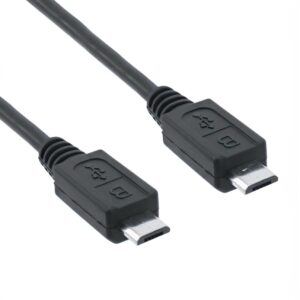
CNC Tech USB cable assembly
A CNC Tech USB cable assembly connects devices for dependable data transfer and power delivery in demanding electronics setups. Whether you are wiring sensors, linking controllers to laptops, or integrating microcontrollers into test rigs, the right assembly keeps signals clean and connections secure.
Moreover, when you work around vibration, heat, and tight enclosures, cable quality becomes a performance factor, not just a convenience. This guide explains how to choose, install, and maintain a CNC Tech USB cable assembly so it stays reliable in real-world applications.
Why a CNC Tech USB cable assembly matters in electronics
USB looks simple, yet it carries high-speed signals that are sensitive to noise and poor grounding. If you pick the wrong cables or connectors, you can see dropouts, slow transfers, or unstable device detection.
Additionally, many modern electronics environments include microprocessors, capacitor-heavy power stages, LEDs, switches, and fuses in compact layouts. That density raises electromagnetic interference risk. A well-built cable assembly helps control impedance, shielding, and strain relief so the connection stays stable.
Where USB cable assemblies are used most
You will often see USB cable assemblies in:
-
Industrial sensors and test tools for calibration and logging
-
Microcontrollers and controllers for programming and diagnostics
-
Laptops used as field consoles for equipment setup
-
Electronics benches where connectors are plugged and unplugged frequently
-
Compact embedded systems with microprocessors and tight cable routing
Because these environments change fast, a robust assembly saves time and reduces troubleshooting.
Key components inside a USB cable assembly
A USB cable assembly is more than the outer jacket. It is a system that must protect signals and survive movement.
Conductors, shielding, and insulation
High-quality conductors support stable voltage and low resistance. Shielding reduces noise from contactors, motors, and switching circuits near your electronics.
Insulation also matters. It should handle flexing and temperature swings without cracking. In industrial panels, heat can rise quickly, so you want materials that stay stable around thermal stress.
Connectors, grips, and strain relief
Connectors carry the mechanical load during insertions. Strong connector shells reduce damage during repeated use, while properly designed grips make handling easier when technicians wear gloves.
Strain relief prevents internal conductor fatigue. If the cable bends right at the connector, it fails early. A good assembly manages that bend radius so the cable lasts longer.
Choosing the right CNC Tech USB cable assembly
Selecting the right product becomes easier when you match the cable to the job. Start with performance requirements, then confirm physical constraints.
Match the USB type and application
First, confirm the device ports and the function.
-
USB-A to USB-B often supports instruments and legacy tools
-
USB-A to Micro-USB appears in compact boards and older controllers
-
USB-A to USB-C supports modern laptops and newer electronics
-
USB-C to USB-C supports high data rates and many embedded systems
Then, consider whether you need data only, power only, or both. Some applications require stable power for microcontrollers and sensor hubs, while others prioritise data integrity.
Consider length, routing, and panel layout
Long cables can reduce signal quality if the environment is noisy. If you must run longer distances, use better shielding and keep routing away from high-current contactors and switching components.
Also, plan cable routing so the assembly avoids sharp edges and repeated twisting. This is especially important inside enclosures near fuses, switches, and LED indicators where space is tight.
Thermal considerations in industrial environments
Heat affects plastics, insulation, and connector fit. If your assembly runs near warm components, consider thermal management.
For example, thermal pads can help spread heat away from electronics modules, and they can reduce hot spots that harden cable jackets over time. Likewise, avoid routing cables near heat sources that raise thermal stress on the jacket and connectors.
If your environment includes oils, choose materials that resist swelling and degradation. Oils can soften some jackets and reduce long-term reliability, especially near moving tools.
Performance and safety best practices
USB cable failures often look like software problems. However, you can prevent many issues with simple installation and safety habits.
Reduce interference from nearby electronics
In control cabinets, cable routing matters. Keep USB lines separate from power cables and switching circuits.
Use these practices:
-
Route USB away from contactors and high-current conductors
-
Cross power cables at right angles when separation is not possible
-
Avoid bundling USB tightly with motor control wiring
-
Use clean grounding and avoid floating shields
As a result, your sensors and controllers connect more consistently, and laptops detect devices faster.
Protect circuits with proper power planning
USB supplies power, yet that power can cause issues if the load spikes. Many boards include capacitors that draw inrush current, and that can stress ports.
To improve safety:
-
Use appropriate fuses where the system design requires them
-
Confirm the port power rating before powering multiple devices
-
Prefer stable power sources when programming microcontrollers
-
Avoid cheap adapters that generate electrical noise
When power stays stable, you reduce resets, data corruption, and random disconnects.
Installation tips for longer service life
A strong cable still fails if you install it poorly. Fortunately, you can extend life with small improvements.
Handle connectors correctly
Grip the connector body, not the cable, during removal. This prevents internal strain and protects solder joints inside connectors.
If technicians frequently unplug cables, choose assemblies with durable grips. Better handling lowers wear and protects both the cable and the device port.
Manage bend radius and movement
Avoid tight bends near the connector. Instead, allow a gentle curve and secure the cable with clips or ties that do not crush the jacket.
In moving setups near tools, plan for flex cycles. If the cable moves repeatedly, choose an assembly designed for flexing and add support points to reduce sharp motion.
How to verify quality during commissioning
When you deploy a new CNC Tech USB cable assembly, test it early so you catch issues before production use.
Quick functional checks
Use a consistent test routine:
-
Confirm device recognition on laptops across multiple ports
-
Transfer a known data file and verify integrity
-
Check stable operation while gently moving the cable
-
Monitor sensor readings for dropouts during vibration
-
Verify controller programming completes without errors
If you see instability, inspect connectors, routing, and nearby interference sources before blaming the device.
Keeping USB assemblies reliable over time
Maintenance prevents sudden failures. In industrial electronics, dust, heat, and oils accumulate faster than expected.
Routine inspection and cleaning
Check for:
-
Loose connectors and worn shells
-
Jacket cuts near clamps or edges
-
Discolouration from thermal exposure
-
Sticky surfaces caused by oils
-
Bent pins or debris inside connectors
Clean connectors carefully, and keep caps on unused ports. With regular checks, you reduce downtime and protect sensors, controllers, and microprocessors from intermittent faults.
Final thoughts
A CNC Tech USB cable assembly becomes product-critical when your system depends on stable links between sensors, electronics, and controllers. By choosing the right connectors, routing cables thoughtfully, managing thermal exposure, and applying basic safety practices with fuses and clean power, you can keep data transfer stable and devices responsive. In turn, you reduce troubleshooting time and protect your equipment in real operating conditions.