kayaking in maui
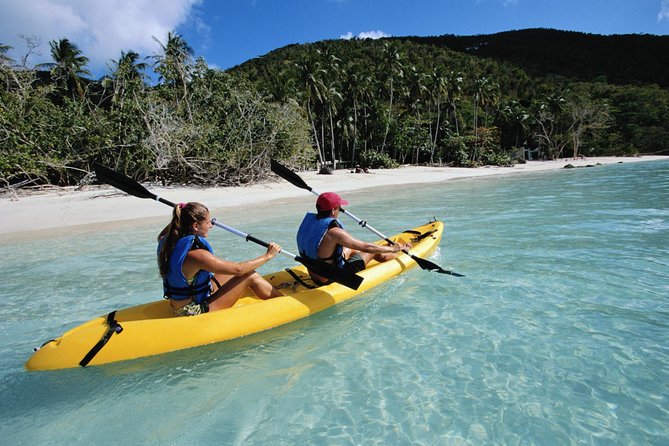
Kayaking in Maui offers an unparalleled opportunity to explore Hawaii’s pristine coastal waters, but it comes with a critical responsibility: protecting the fragile coral reef ecosystems that make these waters so spectacular. The good news? You can enjoy world-class Maui kayak tours while becoming a guardian of the ocean rather than a threat to it. By choosing reef-safe sunscreen, maintaining proper paddling distances from coral formations, avoiding seafloor contact, and selecting eco-conscious Maui kayak adventures, you’ll experience the island’s marine wonders while preserving them for future generations. This comprehensive guide reveals exactly how to paddle responsibly, what threats kayakers pose to reefs, and how to select tour operators who prioritize conservation over convenience.
Understanding Why Maui’s Reefs Need Your Protection
Maui’s coral reefs represent some of the most biodiverse ecosystems on our planet, supporting over 25% of all marine species despite covering less than 1% of the ocean floor. These underwater cities face mounting pressures from climate change, coastal development, and tourism activities including kayaking in Maui. When kayakers inadvertently damage reefs through anchor drops, hull scrapes, or chemical pollution, they contribute to a crisis that’s already claiming coral at alarming rates.
The Hawaiian Islands have lost approximately 50% of their coral cover over the past three decades. Each piece of broken coral can take decades or even centuries to regenerate, making every paddling decision consequential. Understanding this fragility transforms recreational kayakers into ocean stewards who recognize that their adventure choices ripple through entire marine ecosystems.
The Hidden Threats Kayakers Pose to Coral Reefs
Chemical Contamination from Sunscreen
Traditional sunscreens containing oxybenzone and octinoxate leach into the water during kayaking sessions, causing coral bleaching even at concentrations as low as one drop in six Olympic-sized swimming pools. Hawaii banned these chemicals in 2021, yet many visitors unknowingly bring harmful products. When planning your Maui kayak tours, always verify that every member of your group uses mineral-based, reef-safe sunscreen with zinc oxide or titanium dioxide as active ingredients.
Physical Contact and Anchor Damage
Maui kayaks, when improperly anchored or beached, can crush delicate coral polyps that took years to grow. Kayak hulls scraping across shallow reef flats during launches or landings create scars that become entry points for disease and algae. Even seemingly minor contact kills living coral tissue, creating cascading damage throughout the reef structure.
Sediment Disturbance
Improper paddling techniques near shorelines kick up sand and sediment that smothers coral polyps, blocking the sunlight they need for photosynthesis. This sediment also carries land-based pollutants directly onto reef systems, compounding environmental stress.
Essential Eco-Friendly Kayaking Practices for Maui Waters
Pre-Launch Preparation
Before your kayaking in Maui adventure begins, complete a reef-safe checklist. Apply mineral sunscreen at least 30 minutes before water contact, allowing it to bond with your skin rather than wash off immediately. Wear UV-protective rash guards and hats to minimize sunscreen needs altogether. Secure all loose items that might fall overboard and become marine debris.
Choose biodegradable, reef-safe personal care products for any pre-paddle showering. Even residues from conventional shampoos and body washes contribute to chemical loading in coastal waters.
Smart Launch and Landing Techniques
Identify sandy beach areas or designated boat ramps for launching your Maui kayaks, avoiding any location where coral exists in the launch zone. If you must cross shallow water, walk your kayak rather than dragging it. Lift the bow to prevent hull contact with the bottom, and move perpendicular to the shoreline to minimize your footprint.
When returning to shore, approach slowly and observe the bottom composition before committing to a landing site. A few extra minutes of careful observation prevents irreversible reef damage.
Responsible Paddling Distances
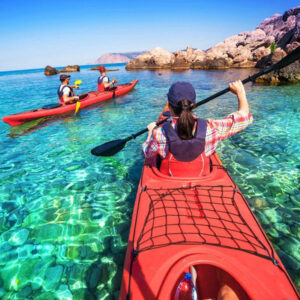
Maintain at least 10 feet of clearance above reef structures when kayaking in Maui’s protected areas. This buffer zone prevents accidental groundings during wave surges or wind gusts. In areas with particularly shallow reefs, paddle during higher tide windows to ensure adequate water depth beneath your hull.
Use polarized sunglasses to spot submerged reefs more easily, and paddle with deliberate, controlled strokes that keep your kayak tracking straight rather than drifting sideways toward hazards.
Anchoring Alternatives
Never drop traditional anchors on coral reefs. Instead, seek sandy patches between reef formations if you need to secure your position. Better yet, practice drift kayaking where conditions allow, or have one paddler maintain position using gentle paddle strokes while others observe marine life.
Many responsible Maui kayak adventures now use sand anchors specifically designed to grab sand without harming coral. If your tour operator doesn’t offer these, ask why and consider booking with a more conservation-minded company.
Choosing Eco-Conscious Maui Kayak Tours
Certification and Training Standards
Legitimate eco-friendly Maui kayak tours employ guides certified in reef ecology and marine conservation. Ask potential operators about their environmental training programs, reef protection protocols, and participation in local conservation initiatives. Companies genuinely committed to sustainability proudly share these credentials.
Look for operators holding Sustainable Tourism certifications from recognized Hawaiian conservation organizations, or those participating in reef monitoring programs that contribute data to marine research.
Group Size and Impact Management
Smaller group Maui kayak adventures create less cumulative impact on sensitive reef areas. Tours limiting groups to 6-8 kayakers allow guides to maintain better oversight, ensuring all participants follow eco-friendly practices. Larger commercial operations may offer lower prices but often sacrifice environmental stewardship for volume.
Equipment Quality and Maintenance
Eco-conscious outfitters maintain kayaks in excellent condition, preventing leaks that release petroleum-based lubricants or degraded plastic particles into the water. They provide stable, easily-controlled kayaks appropriate for participant skill levels, reducing the likelihood of accidental groundings.
Ask about hull materials. Some companies now use kayaks made from recycled plastics or more sustainable manufacturing processes, demonstrating environmental commitment beyond just operational practices.
Educational Components
The best Maui kayak tours incorporate marine education, transforming participants into informed ocean advocates. Guides should explain reef ecology, identify marine species, and demonstrate proper observation techniques. This educational investment creates kayakers who protect reefs long after their Maui vacation ends.
Wildlife Observation Without Harassment
Kayaking in Maui frequently brings encounters with sea turtles, dolphins, monk seals, and seasonal humpback whales. Federal and state laws mandate specific approach distances for these protected species, but ethical kayakers exceed legal minimums.
Maintain at least 50 feet from sea turtles and 150 feet from Hawaiian monk seals, allowing animals to approach you if they choose rather than pursuing them. Never attempt to touch, feed, or redirect the natural behavior of any marine wildlife. These interactions stress animals and can result in significant fines.
During whale season (December through April), observe the 100-yard approach rule for humpback whales, and immediately stop paddling if a whale surfaces unexpectedly nearby, allowing the animal to move away at its own pace.
Waste Management and Leave No Trace Principles
Bring reusable water bottles rather than single-use plastics on your Maui kayak adventures. Pack out every item you bring, including organic materials like fruit peels that don’t belong in marine ecosystems. Even biodegradable items alter local nutrient balances and can harm wildlife.
If you encounter marine debris during your paddle, safely collect it when possible. Many eco-friendly Maui kayaks now feature small collection bags specifically for this purpose, turning recreation into active conservation.
Supporting Reef Conservation Beyond Your Kayaking Trip
Consider donating to Hawaiian reef conservation organizations like the Coral Reef Alliance or Maui Nui Marine Resource Council. Volunteer for beach cleanups or reef monitoring programs if your visit schedule allows. Share your eco-friendly kayaking practices on social media to inspire other travelers, creating ripple effects that extend your positive impact.
Choose accommodations and restaurants that demonstrate environmental commitment, voting with your tourism dollars for businesses that prioritize Hawaii’s ecological future over short-term profits.
The Future of Sustainable Kayaking in Maui
As climate change intensifies pressure on coral reefs worldwide, the kayaking community’s role in reef protection becomes increasingly critical. By choosing eco-friendly practices today, you help ensure that Maui’s spectacular marine environments survive for tomorrow’s paddlers.
Every kayaker who prioritizes reef health influences others through example, creating cultural shifts within the tourism industry. When enough visitors demand sustainable Maui kayak tours, operators respond by elevating their environmental standards, creating positive feedback loops that benefit everyone.
Your decision to paddle responsibly matters more than you might imagine. Coral reefs exist in precarious balance, where small actions accumulate into either devastating decline or remarkable recovery. By committing to eco-friendly kayaking in Maui, you become part of the solution, experiencing Hawaii’s wonders while actively protecting them.
The choice is yours: paddle as just another tourist extracting value from Maui’s reefs, or glide across these sacred waters as a respectful guardian, leaving nothing but paddle strokes and carrying away memories that inspire lifelong ocean stewardship.