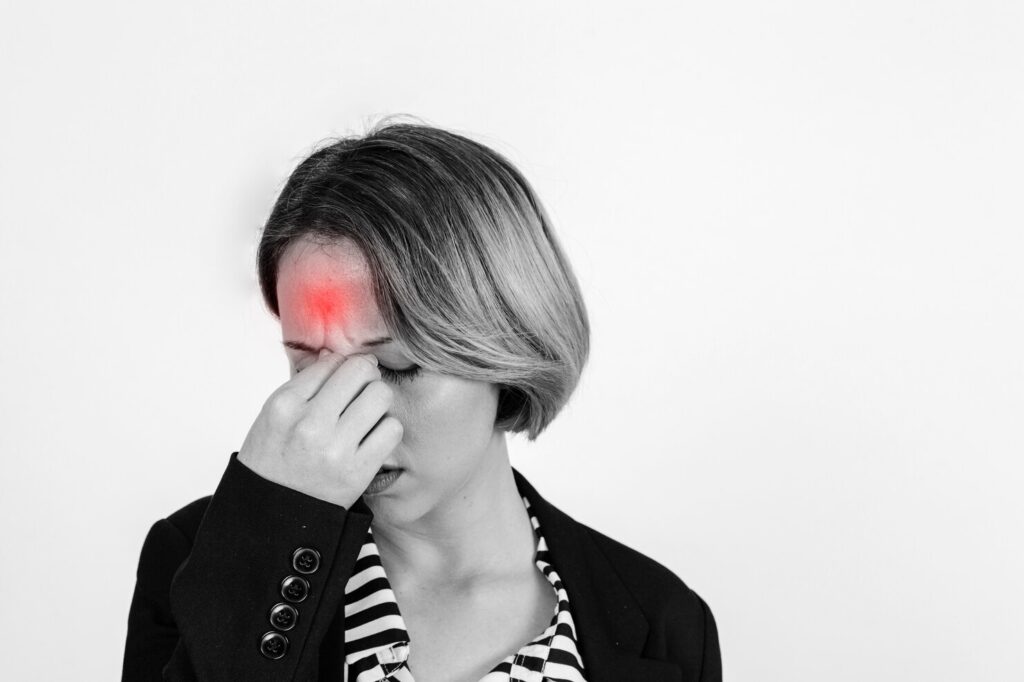
Chronic Migraine vs. Occasional Headaches
Head pain is one of the most common complaints among both adults and children, but not all head pain is the same. Understanding what causes migraines and headaches is essential for determining when self-care is enough and when professional evaluation is necessary. While occasional headaches are usually mild and manageable, chronic migraines are a neurological condition that can significantly impact daily life, school, and work.
Distinguishing between these two types of head pain allows families and patients to take timely action, seek the right treatment, and improve quality of life.
Occasional Headaches: Causes and Characteristics
Occasional headaches are common and often temporary, triggered by lifestyle or environmental factors. Some of the most common causes include:
- Stress or emotional tension
- Dehydration or skipped meals
- Lack of sleep or irregular sleep patterns
- Eye strain from screens or lighting
- Minor illness, such as cold or sinus congestion
Typical characteristics of occasional headaches include dull, pressure-like pain, mild to moderate intensity, and short duration. These headaches are usually relieved by rest, hydration, over-the-counter pain medication, or relaxation techniques.
Chronic Migraines: A Different Condition
Migraines are a neurological disorder that can occur episodically or become chronic. Chronic migraines are defined as headaches occurring 15 or more days per month for at least three months, with at least eight of these days involving migraine features.
Symptoms of Chronic Migraine
- Throbbing or pulsating pain, often on one side of the head
- Nausea and vomiting
- Sensitivity to light, sound, or smells
- Visual disturbances (aura)
- Fatigue and difficulty concentrating
Unlike occasional headaches, chronic migraines are disruptive, persistent, and require medical evaluation for proper management.
Key Differences Between Occasional Headaches and Chronic Migraines
| Feature | Occasional Headache | Chronic Migraine |
| Frequency | Rare or intermittent | 15+ days per month |
| Pain type | Dull, pressure-like | Throbbing or pulsating |
| Duration | Short (minutes to hours) | Hours to days |
| Symptoms | Usually isolated pain | Nausea, aura, sensitivity to light/sound |
| Impact on daily life | Minimal | Often disabling |
Recognizing these differences helps individuals and parents determine when to seek professional help.
When to See a Doctor
Medical attention is recommended if:
- Headaches become frequent or severe
- Pain disrupts daily activities, school, or work
- Over-the-counter treatments are no longer effective
- Migraines are accompanied by unusual neurological symptoms, such as vision changes, weakness, or numbness
Early intervention can prevent worsening symptoms and improve management, especially in children and adolescents.
Managing Headaches and Migraines
Treatment strategies vary depending on whether the condition is an occasional headache or a chronic migraine:
- Lifestyle adjustments: Sleep hygiene, hydration, stress management, and regular meals
- Medication: Over-the-counter pain relievers for occasional headaches; prescription medications or preventive therapy for chronic migraines
- Behavioral therapy: Cognitive-behavioral therapy, relaxation techniques, and mindfulness
- Trigger management: Identifying and avoiding personal migraine triggers such as certain foods, hormonal changes, or environmental factors
For pediatric patients, careful monitoring and guidance from healthcare providers are critical for safe and effective management.
The Role of Clinical Research
Clinical research continues to advance our understanding of migraines, including treatment options for children. Participating in pediatric migraine clinical trials provides families access to emerging therapies while contributing to the development of safer, more effective interventions.
Conclusion
Distinguishing chronic migraines from occasional headaches is essential for timely treatment and long-term health. While occasional headaches are common and often manageable at home, chronic migraines require professional evaluation to prevent disruption to daily life and ensure proper care.
For families and caregivers interested in exploring treatment options and contributing to research, participating in pediatric migraine clinical trials is an important step. Visit Pantheon Clinical to learn more about ongoing studies and how clinical research is shaping the future of migraine care.