Many homeowners attempt drywall repair on their own, only to discover cracks returning, seams telegraphing through paint, or patches that never blend in. This is why Drywall Repair Services remain in high demand because proper repair is more complex than it looks and depends on technique, timing, and material precision.
What Causes Drywall Repairs to Fail So Often?
Drywall repairs fail when underlying issues are overlooked or when incorrect patching methods are used. Even small mistakes like poor sanding, mismatched compound, or improper curing can lead to bigger problems later. Many homeowners turn to Drywall Repair Services in Brighton after repeated DIY attempts fail because drywall seems simple, but achieving a seamless finish is one of the hardest parts of interior maintenance.
Core Reasons Drywall Repairs Fail
Using the Wrong Joint Compound
Not all compounds are the same. Homeowners often choose quick-drying mud because it seems convenient, but it doesn’t always bond well or sand smoothly. A Reliable Drywall Repair Service understands when to use lightweight compound, setting-type compound, or all-purpose mud for optimal durability and consistency.
Incorrect Tape Application
Drywall tape must be fully embedded without bubbles, wrinkles, or air pockets. When tape lifts, the seam becomes visible again. This is one of the most common causes of failure in DIY repair. A Professional Drywall Repair Company applies tape smoothly using precise pressure and proper layering to ensure long-lasting strength.
Poor Sanding Technique
Too much sanding leads to depressions; too little sanding leaves humps. Uneven surfaces become obvious once primed and painted. Skilled Drywall Repair Contractors use the right sanding grids, light pressure, and cross-pattern strokes to perfectly feather edges.
Skipping the Primer
Paint reacts differently on bare compounds than it does on the existing wall surface. Without priming, patched areas appear shiny, dull, or mismatched. Lack of primer makes even a well-made repair look bad. Pros never skip priming because it’s essential for paint adhesion and uniform finish.
Ignoring Structural Movement
Cracks often return because the wall itself is shifting due to settling, moisture, or temperature changes. Pros analyze the wall for underlying structural issues before patching. This ensures repairs are not just cosmetic but reinforced against future damage.
Improper Moisture Management
Drywall absorbs moisture easily. Bathrooms, basements, and kitchens often show bubbling, sagging, or staining when moisture problems aren’t addressed first. Experts identify moisture sources and use mold-resistant materials in repairs, something DIY methods often skip.
Not Applying Multiple Thin Coats
Many homeowners try to repair a hole with one thick layer of mud, leading to cracking and poor adhesion. Proper repairs require multiple thin coats that dry evenly. The best technicians apply, feather, and sand layers strategically for a flawless blend.
How Professionals Fix These Issues the Right Way
Advanced Assessment Before Repair
Pros begin with a comprehensive evaluation of the issue checking for water leaks, structural shifts, and material conditions. This prevents reoccurring cracks or bubbling and ensures a permanent fix. Companies like Hands on Duty are known for thorough diagnostics that homeowners often overlook.
Precision in Cutting and Patching
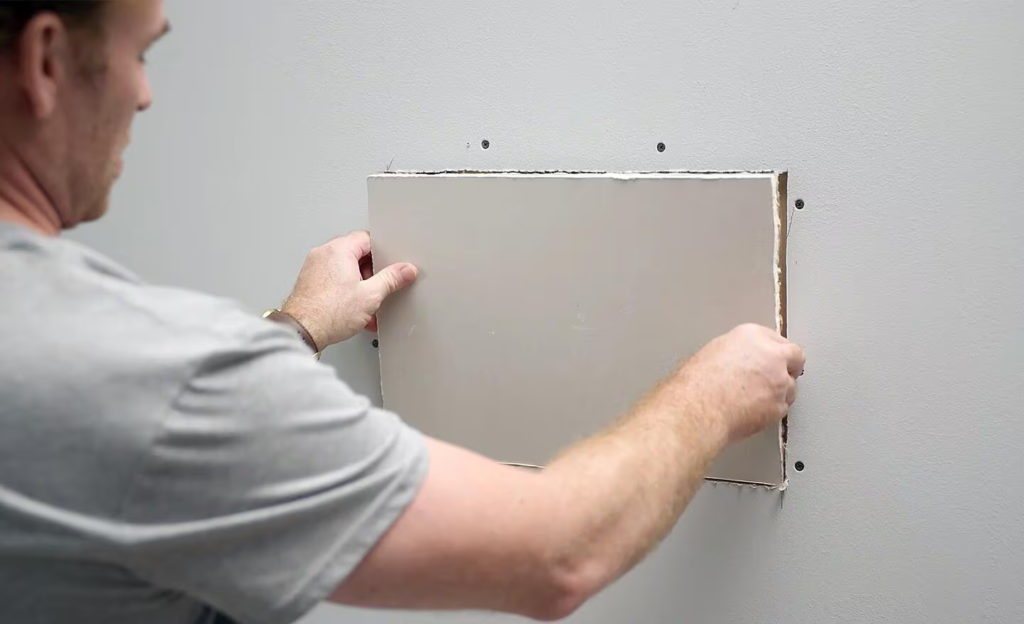
Whether it’s a small dent or a large hole, professionals cut clean, controlled lines to create the perfect patch area. This ensures the new drywall sits flush with the existing surface and avoids unevenness that shows through paint.
Using Quality Materials Designed for the Job
Professionals choose compounds based on drying time, hardness, sanding properties, and climate conditions. They also use fiberglass tape, moisture-resistant panels, and durable fastening systems where needed. This professional-grade material selection ensures results that last.
Perfect Feathering for Invisible Repairs
Pros apply joint compound outward in multiple stages, feathering several inches beyond the patch each time. This blending technique is what makes repaired areas disappear once painted. Feathering is the key difference between amateur and pro finishes.
Controlled Drying and Curing
Rushing the drying process creates shrinkage, cracks, and texture differences. Experts monitor temperature, humidity, and timing carefully. They know when a coat is fully cured not just dry to the touch before applying the next layer.
Matching Wall Texture Accurately
Knockdown, orange peel, skip trowel every home has its own texture style. Professionals recreate the existing texture using specialized sprayers and hand tools. This makes the repair blend seamlessly without obvious transitions.
Sealing, Priming, and Painting Professionally
Pros apply high-quality primers and paints that match sheen, undertone, and finish. This final step ensures the wall looks brand new without visible transitions or paint absorption issues.
Conclusion
Most drywall repairs fail because they lack technical precision, moisture management, structural evaluation, and proper finishing methods. Hiring Best Drywall Repair Services ensures that the job is done right from inspection to texture matching and final painting. Professional help from experienced providers such as Hands on Duty guarantees results that hold up over time, keeping your walls smooth, clean, and durable for years. For additional reading on building materials and structural maintenance, you can explore this detailed resource on wall construction fundamentals from an authoritative site:
https://en.wikipedia.org/wiki/Drywall
FAQs
- Why do drywall cracks keep coming back after repair?
Because the root cause—structural movement or improper tape bonding—was not addressed during the original repair. - Can I repair drywall cracks myself?
Small dents or nail pops can be DIY-friendly, but long cracks and textured walls are best handled by professionals. - How long does a drywall repair usually take?
Most repairs require 24–48 hours due to multiple coating and drying stages. - What type of drywall is best for moisture-prone areas?
Green board or mold-resistant drywall is ideal for bathrooms, kitchens, and basements. - Should I replace or repair damaged drywall?
Hairline cracks can be repaired, but severe water damage or mold usually needs replacement.