Tunneling is one of the most essential techniques in underground construction, enabling the installation of utilities, transportation systems, and infrastructure beneath the surface without disturbing what lies above. As cities expand and surface space becomes increasingly limited, tunneling has become a reliable and efficient solution for overcoming physical and environmental challenges.
From utility installations to large-scale infrastructure projects, tunneling requires precision, durable equipment, and experienced operators. With support from trusted suppliers like Wolf Machinery Supply, contractors can access the machinery, components, and wear parts needed to perform tunneling operations efficiently and safely. This article explores tunneling methods, applications, benefits, challenges, and best practices in the underground construction industry.
What Is Tunneling?
Tunneling is the process of excavating a horizontal or near-horizontal passage underground. These passages, known as tunnels, are used for various purposes such as transportation, utilities, drainage, and mining. Unlike open-cut excavation, tunneling minimizes surface disruption, making it ideal for urban and environmentally sensitive areas.
Tunnels can vary in size from small utility conduits to large transportation corridors and are constructed through soil, rock, or mixed ground conditions using specialized equipment.
Importance of Tunneling in Construction
Tunneling plays a vital role in modern infrastructure development. As surface congestion increases, underground space offers a practical alternative for expanding utilities and transportation systems.
Key reasons tunneling is essential include:
Limited surface space in urban areas
Reduced environmental impact
Minimal disruption to traffic and communities
Protection of existing structures
Long-term infrastructure durability
These advantages make tunneling a preferred method for many public and private construction projects.
Common Tunneling Methods
Different ground conditions and project requirements call for different tunneling methods. Below are the most commonly used techniques in underground construction.
1. Mechanical Tunneling
Mechanical tunneling uses machines to excavate soil or rock. This method offers precision and consistency, especially for longer tunnels.
Common mechanical methods include:
Tunnel Boring Machines (TBMs)
Auger boring
Microtunneling
Mechanical tunneling is ideal for projects requiring accurate alignment and controlled excavation.
2. Auger Boring
Auger boring is a widely used method for short to medium-length tunnels, particularly for utility installations. A rotating auger excavates soil while a steel casing is pushed forward to support the tunnel.
Advantages of auger boring include:
Straight and accurate bores
Strong ground support
Cost-effective equipment
Minimal surface disruption
Auger boring is commonly used for road and railway crossings.
3. Microtunneling
Microtunneling is a highly precise, remotely controlled tunneling method used for installing pipelines. It is often employed where accuracy and minimal settlement are critical.
This method is ideal for:
Sewer and drainage installations
Urban environments
Projects requiring tight tolerances
4. Hand Mining and Conventional Tunneling
In certain conditions, tunnels are excavated manually or with smaller equipment. This method is typically used for short tunnels or in areas where mechanical equipment is not feasible.
Equipment Used in Tunneling
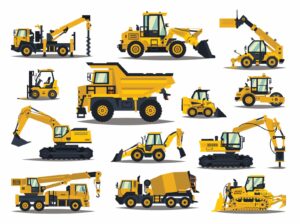
Tunneling requires specialized machinery designed to handle high stress, abrasion, and varying ground conditions.
Key Equipment Includes:
Tunnel boring machines
Auger boring machines
Cutting heads and bits
Drill rods and casings
Hydraulic systems
Wear parts and components
High-quality equipment and durable wear parts are essential to minimize downtime and maintain productivity. Suppliers like Wolf Machinery Supply provide components built to withstand demanding tunneling environments.
Role of Wear Parts in Tunneling
Wear parts are critical components that experience continuous friction and abrasion during tunneling operations. These include cutting teeth, bits, bearings, and augers.
Using high-quality wear parts offers several benefits:
Longer service life
Reduced maintenance costs
Improved excavation efficiency
Lower risk of equipment failure
Replacing worn components promptly helps prevent damage to larger and more expensive equipment.
Applications of Tunneling
Tunneling is used across many industries and project types.
Utility Installation
Water, sewer, gas, electrical, and communication lines are frequently installed using tunneling methods to avoid surface disruption.
Transportation Infrastructure
Tunnels are essential for subways, railways, highways, and pedestrian pathways, especially in densely populated areas.
Drainage and Sewer Systems
Tunneling allows for the installation of gravity-fed pipelines with precise grade control.
Industrial and Commercial Projects
Factories, plants, and commercial developments use tunnels for service corridors and underground utilities.
Advantages of Tunneling
Tunneling offers numerous benefits over traditional open-cut excavation.
Minimal Surface Impact
Roads, buildings, and landscapes remain intact, reducing restoration costs.
Improved Safety
Controlled excavation reduces the risk of surface collapse and accidents.
Environmental Protection
Less excavation means reduced noise, dust, and environmental disturbance.
Cost Efficiency
Although initial equipment costs may be higher, reduced restoration and traffic disruption often result in overall savings.
Long-Term Durability
Tunnels provide stable, protected pathways for utilities and infrastructure.
Challenges in Tunneling
Despite its benefits, tunneling presents unique challenges that must be managed carefully.
Ground Conditions
Unexpected soil or rock conditions can affect progress and equipment performance.
Equipment Wear
Continuous excavation causes significant wear on components, making maintenance essential.
Alignment and Accuracy
Even small deviations can lead to costly corrections or failed installations.
Safety Risks
Confined spaces and heavy machinery require strict safety protocols.
Best Practices for Successful Tunneling
To ensure efficient and safe tunneling operations, contractors should follow proven best practices.
Proper Planning
Conduct thorough site investigations and soil analysis before starting.
Equipment Selection
Choose machinery and components suited to the project’s ground conditions.
Routine Maintenance
Inspect equipment and replace wear parts regularly.
Skilled Operators
Experienced operators improve accuracy and reduce downtime.
Reliable Suppliers
Working with trusted suppliers like Wolf Machinery Supply ensures access to quality equipment and expert support.
Safety Considerations in Tunneling
Safety is paramount in tunneling operations. Key measures include:
Proper ventilation
Ground support systems
Regular equipment inspections
Emergency response planning
Compliance with OSHA and local regulations
Following safety standards protects workers and ensures project continuity.
The Role of Trusted Equipment Suppliers
Successful tunneling projects rely on dependable equipment and components. Wolf Machinery Supply supports contractors by providing machinery, wear parts, and supplies designed for underground construction challenges.
By partnering with reliable suppliers, contractors can:
Reduce downtime
Improve project efficiency
Extend equipment lifespan
Maintain consistent performance
Conclusion
Tunneling is a cornerstone of modern underground construction, enabling infrastructure development while preserving surface environments. From utility installations to transportation systems, tunneling provides a safe, efficient, and cost-effective solution for complex projects.
With proper planning, skilled operators, and high-quality equipment supported by trusted suppliers like Wolf Machinery Supply, tunneling operations can be completed successfully and sustainably. As demand for underground infrastructure continues to grow, tunneling will remain an essential technique shaping the future of construction.