What Are Hydrometers and How Do They Help in Fluid Measurement?
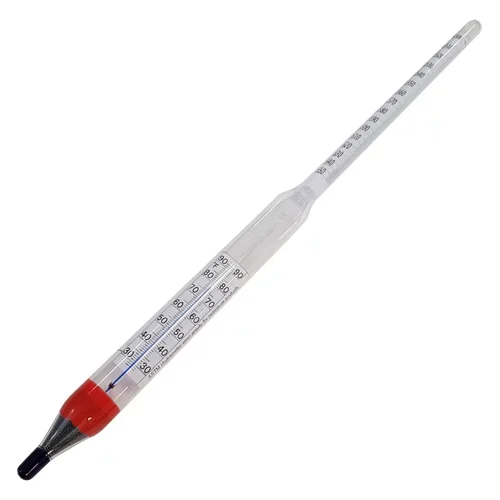
Hydrometers
Hydrometers are essential instruments that allow users to determine the density of a liquid in relation to water. Simple in design yet highly effective, these tools have served industries and laboratories for centuries. Their ability to quickly evaluate the concentration or quality of a fluid makes them valuable in everything from food processing to environmental testing. But what makes hydrometers so effective, and how do they work in different scenarios?
How Do Hydrometers Measure Liquid Density?
Hydrometers function based on the principle of buoyancy. When placed into a liquid, the device floats at a level determined by the density of that liquid. The denser the liquid, the higher the hydrometer will float. The less dense the liquid, the deeper it sinks.
Each hydrometer is marked with a calibrated scale on its narrow stem. The user simply places the hydrometer into the sample and reads the value where the surface of the liquid meets the scale. These values can represent specific gravity, percent alcohol, sugar content, or salt concentration depending on the calibration.
Which Industries Rely on Hydrometers?
Hydrometers are used in many sectors because they provide accurate readings without requiring complex equipment or power sources. Key industries that benefit from hydrometers include:
-
Brewing and winemaking, where hydrometers are used to track fermentation and calculate alcohol levels.
-
Automotive services, which use hydrometers to test battery electrolytes and antifreeze mixtures.
-
Food and dairy, where they help detect product quality and purity.
-
Environmental monitoring, which involves checking water pollution or salt content in oceans and lakes.
-
Chemical manufacturing, where concentration and fluid composition must be measured with consistency.
These tools are especially favored where on-the-spot, reliable readings are needed without digital instruments.
What Are the Different Types of Hydrometers?
Hydrometers are manufactured to suit specific measurement tasks. While the core function remains the same, their scales and calibrations vary widely.
Specific Gravity Hydrometers
These are general-purpose instruments that measure the relative density of liquids. They are commonly used in laboratories and industrial settings to determine solution concentration.
Alcohol Hydrometers
Primarily used in brewing and distilling, these hydrometers track the change in sugar levels before and after fermentation. This difference helps determine the alcohol by volume.
Battery Hydrometers
Designed for use with lead-acid batteries, they measure the specific gravity of the electrolyte fluid. This helps in diagnosing the charge level and health of the battery.
Lactometers
These test milk density and are often used to identify if milk has been watered down or altered. They are frequently used in dairy farms and milk processing facilities.
Salt and Brine Hydrometers
These are useful in aquaculture, water treatment, and cooking industries to determine salt concentration in solutions. Accurate salinity levels are crucial in several biological and industrial systems.
Why Are Hydrometers Still Relevant in the Digital Era?
While digital tools are becoming more common, hydrometers continue to offer advantages:
- No electricity required: They can be used anywhere, even in remote locations.
- Quick setup and use: No programming or calibration is needed in most cases.
- Inexpensive and accessible: They are ideal for both professional and educational environments.
- Resilient and reusable: When cared for properly, they offer long-term use without significant maintenance.
For simple tasks or environments where technology may be impractical, hydrometers offer a proven alternative.
What Factors Affect Hydrometer Readings?
Accuracy is crucial when using a hydrometer. Several factors can affect the measurement:
- Temperature: Liquids expand or contract with temperature changes. Most hydrometers are calibrated at a standard temperature, and deviations must be corrected using charts or formulas.
- Contaminants: Foreign substances in the fluid can increase or decrease density unexpectedly.
- Air bubbles: If bubbles stick to the device, they can alter its buoyancy and affect the reading.
- Improper use: Tilting the hydrometer, using the wrong scale, or reading from an angle may cause misinterpretation.
Being aware of these conditions helps improve the reliability of the results.
How Should You Use a Hydrometer Correctly?
Using a hydrometer involves several simple but essential steps:
- Make sure the test jar and hydrometer are clean before use.
- Fill the jar with enough sample liquid so the hydrometer can float without touching the sides.
- Lower the hydrometer gently to avoid splashing or creating bubbles.
- Wait for the hydrometer to settle and take the reading at eye level.
- Adjust the reading based on temperature if needed.
Following these practices ensures a more accurate and consistent result.
How Do You Maintain a Hydrometer?
Proper maintenance extends the life of a hydrometer and keeps its readings accurate:
- Always rinse it after use, especially when dealing with sticky or corrosive liquids.
- Dry the device and store it in a padded case to prevent breakage.
- Avoid using the hydrometer in hot or chemically aggressive liquids unless it is designed for such conditions.
- Check the calibration periodically to ensure accuracy, especially if it is used frequently in critical applications.
These simple steps keep the instrument ready for use and preserve its precision.
Conclusion
Hydrometers remain an essential part of fluid measurement in science, industry, and everyday applications. Their ease of use, affordability, and precision make them a preferred tool for professionals across diverse sectors. From checking battery health to perfecting a craft brew, hydrometers deliver dependable results without complexity. With proper understanding and technique, they continue to offer valuable insights into the characteristics of liquids, making them as relevant today as ever.