Businesses have found commercial solar to be one of the most intelligent investments. Businesses in any industry are now installing solar panels to ensure cost reduction in energy, carbon reduction, and property value enhancement.
This manual includes all the information about commercial solar systems including costs and savings, installation, and financing.
What Is Commercial Solar?
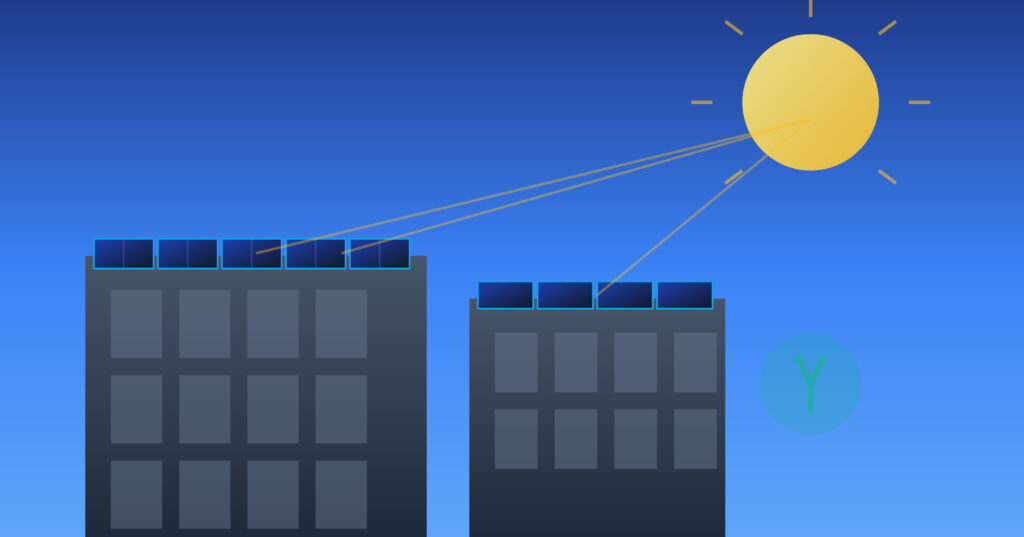
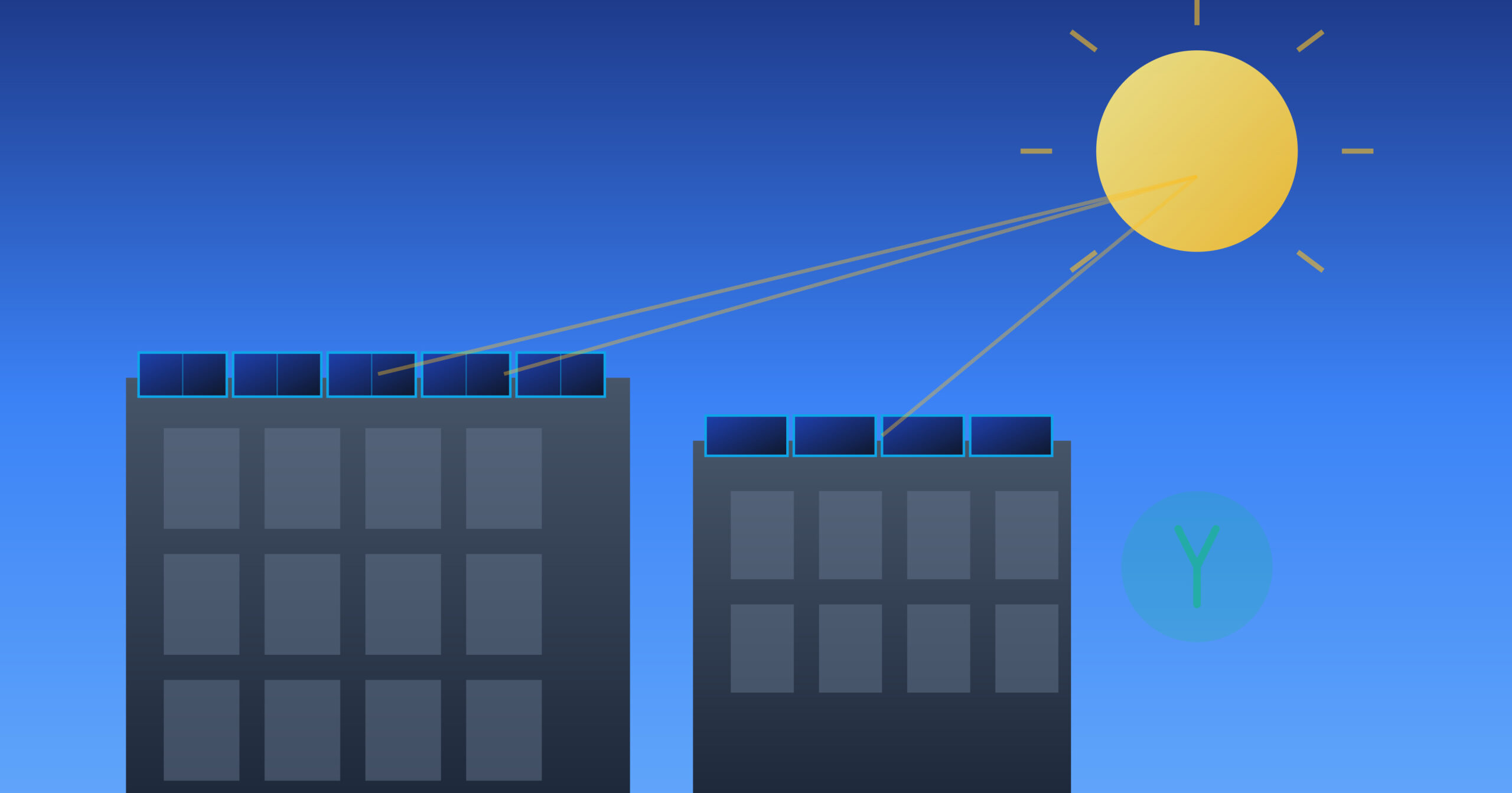
Commercial solar is the solar panel system which is placed on company premises. These systems transform the sunlight into electricity which is used to run your day-to-day activities.
There is a difference between residential and commercial solar systems as the latter is larger and more mighty. They normally vary between 25 kilowatts in the case of small businesses to several megawatts in industrial establishments.
Companies use panels mounted on top of roofs, car parks, or on the ground. The power which is produced takes direct deduction off of what you buy through the utility grid, cutting down your monthly utility bills.
The Reason Your Business Should Use Solar Energy.
Slash Your Energy Costs
Magnetic panels produce free energy once they are installed. Most companies save by half to 90 percent on their electricity overheads.
A classic system will be recouped within 3 to 7 years by saving the energy. Once you have paid off, you can have several decades of all-free electricity.
Claim Valuable Tax Benefits
The federal Investment Tax Credit (ITC) will provide significant tax credits on your solar installation. Federal taxes allow businesses to deduct a huge percentage of the system cost.
There is also the benefit of accelerated depreciation by MACRS (Modified Accelerated Cost Recovery System). This will enable you to recover your costs in less time and enhance the cash flow.
Lock In Energy Rates
Prices of electricity have been increasing constantly in the last ten years. Solar panels cushion your business against an increase in the rates.
Your solar system will enable you to avoid the full effects when the utilities increase the prices. This predictability aids in long term budgeting and financial planning.
Meet Sustainability Goals
Corporate sustainability is of importance to customers, investors, and employees. The solar installations will also provide a show of environmental leadership and assist you to fulfill ESG (environmental, social, and governance) obligations.
Switching to solar will minimise your carbon footprint as well as boost your brand loyalty.
Commercial Solar Costs in 2026
Prices of commercial solar systems range between 2.50 and 3.50 per watt, without incentives. In the case of a 100 kilowatt system, anticipate the initial cost of between 250-350000 dollars.
When you add on federal tax credits and depreciation benefits, your net cost is greatly reduced, usually by 50 percent or more.
Pricing is influenced by a number of factors:
- System size and complexity
- Roof condition and type
- Equipment quality
Local labor rates
- Electrical upgrades needed
Ground-mounted systems are usually more expensive than rooftop systems owing to the use of extra materials and preparation of a site.
Financing Your Solar Investment
The majority of the businesses finance the installations of solar instead of cash payments. Here are your main options:
- Solar Loans: You are the owner of the system and receive all the tax benefits. Payments made monthly are usually equivalent or even lower than your present electricity bills.
- Power Purchase Agreements (PPAs): A third party is the owner of the system on your premises. You buy the electricity at a specific rate which is usually less than utility costs.
- Solar Leases: You are leasing the equipment and make monthly payments. The leasing firm is the one that maintains the system and enjoys tax benefits.
- PACE Financing: Property Assessed Clean Energy programs allow you to finance it with property tax assessments. The money remains attached to the property and not the owner.
Commercial Solar Systems Types
Rooftop Solar Panels
The most popular type of commercial solar is rooftop. They are able to use idle space without the need to expand the land.
Flat commercial roofs are best since the installers can make use of the panel angles to produce the best. Sloping roof is also effective, but it might require special mounting equipment.
Ground-Mounted Arrays
Ground-mounted systems can prove beneficial in case you have some free land. They are simpler to sustain, grow, and streamline to the sun exposure.
In cases of open space, manufacturing plants, warehouses, and agricultural enterprises tend to use ground mounts.
Solar Carports
Solar carport buildings are useful in two ways; sheltering of vehicles and production of electricity. They are a hit in the retail centers, hospitals and on university campuses.
Carport maximizes the property value and provides a superior customer and employee experience.
How Commercial Solar Works
Solar panels have photovoltaic cells which transform the sunlight into direct current (DC) electricity. This is converted by an inverter into power in the form of alternating current (AC) which powers your equipment.
At times when your system generates a larger amount of electricity than you require, the surplus power is sent into the grid. Under net metering, the utility gives credit on your account as a result of this excess.
When it is bad, or at night, you pull power off the grid just like normal. Your solar system lowers the total usage, which will save your bills all year round.
Production is monitored in real-time and informed to you on the problem(s) that need to be addressed.
The Installation Process
- Site Assessment: A professional will estimate your property so that they can know the best system size and location. They examine roof construction, electrical capacity and shading.
- Custom Design: The engineers design a solar array that fits your energy consumption and budget. They choose panels, inverters and mounting systems.
- Permits and Approvals: Your installer does the building permit and utility interconnection documentation. This normally happens in a number of weeks.
- Installation: Panels are installed by professional teams, wiring is run and inverters connected. The average commercial project is between 1 and 3 months.
- Activation: Once your system has been locally examined and your utility is satisfied, your system starts producing power.
Maintenance and Longevity
Solar panels do not have a lot of maintenance needs. In most climates they are self cleaned by rain although professional cleaning every now and then will maximise output.
Arrange a yearly check-up of connections, hardware and inverter operation. The majority of installers have packages that provide maintenance.
The panels have a life of 25 to 30 years with a warranty of 80 to 90 percent production after 25 years. Inverters normally have a life span of 10 to 15 years.
How to Calculate Your ROI
The solar investments incur 10% to 30% annual returns to most businesses. These are some of the factors to be considered when calculating ROI:
- Present-day consumption of electricity and price.
- Annual solar production was estimated.
- Incentives Late total system cost.
- Projected energy savings
- Electricity rate rises with time.
It will usually take 3-7 years to pay back, depending on where you are located, the cost of energy and incentives.
Is Commercial Solar Right for You?
Solar makes financial sense for businesses that own their property and have predictable electricity usage. The investment is particularly attractive if you have:
High daytime energy consumption
Minimal roof shading
Strong credit or capital for financing
Long-term ownership plans
Sustainability commitments
The combination of energy savings, tax benefits, and environmental impact makes commercial solar a compelling choice in 2026. Start with a professional site assessment to understand your potential and design a system that meets your specific needs.