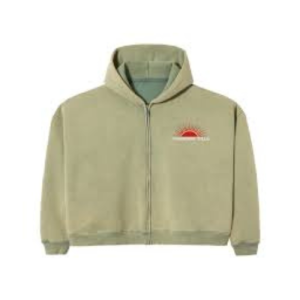
In the world of fashion, where trends are often fleeting and superficial, some brands manage to transcend the ordinary, crafting stories as intricate as the fabrics they design. One such brand is Denim Tear , a label that has garnered attention not just for its impeccable denim craftsmanship but for the cultural narrative embedded in each stitch. Founded by Tremaine Emory, Denim Tears is more than a fashion label; it is a bold statement that weaves together history, identity, and artistry, challenging the way we perceive clothing and its cultural significance.
The Genesis of Denim Tears
Denim Tears was conceived out of Emory’s desire to merge fashion with social commentary. Before founding the brand, Tremaine Emory had already established himself as a creative force in streetwear and editorial circles. However, he felt that fashion often overlooked the deeper stories and histories connected to the materials and garments it popularized. Denim, a fabric synonymous with American culture, became the medium through which he could explore these narratives. The inception of Denim Tears in 2019 marked a pivotal moment where streetwear sensibilities met historical consciousness.
Emory’s approach to denim is deliberate and thoughtful. Rather than treating it as mere fabric, he considers its cultural and historical resonance. Denim has long been associated with labor, struggle, and resilience, worn by those who toiled in fields and factories. By harnessing this symbolism, Denim Tears became a platform to address larger conversations about race, heritage, and identity, all while producing garments that resonate with modern aesthetics.
The Philosophy Behind the Brand
At the heart of Denim Tears lies a philosophy that views clothing as a vessel for storytelling. Emory often describes the brand’s mission as more than fashion—it is a means to honor history. One of the most profound aspects of Denim Tears is its connection to African American history. The brand draws heavily on the legacy of slavery and the cotton industry, using denim to reflect on the labor, oppression, and resilience of African Americans throughout history.
This thematic approach is evident in collections that feature motifs like tear drops and floral embroidery, which symbolize both sorrow and growth. Each piece becomes a narrative, bridging past and present, while encouraging the wearer to reflect on the histories embedded in everyday materials. Emory’s commitment to this philosophy ensures that Denim Tears is not only aesthetically appealing but intellectually engaging, fostering dialogue and introspection through fashion.
Design Aesthetic and Signature Pieces
Denim Tears is renowned for its unique balance of nostalgia and contemporary design. The brand often experiments with vintage washes, distressed finishes, and intricate detailing to evoke a sense of lived-in authenticity. Its designs are intentionally worn yet bold, embodying the paradoxical nature of resilience—fragile yet enduring.
Signature pieces from Denim Tears frequently incorporate embroidered flowers, particularly roses, which have become emblematic of the brand. These embellishments serve as a poetic counterpoint to the rawness of denim, symbolizing beauty emerging from struggle. Additionally, the use of oversized silhouettes and relaxed fits reflects modern streetwear trends, making the garments both culturally significant and fashion-forward.
Collaborations have further cemented Denim Tears’ status in the fashion landscape. Partnerships with major brands and retailers have allowed Emory to amplify his message while reaching a broader audience. Each collaboration is approached with the same attention to narrative and cultural relevance, ensuring that the essence of Denim Tears remains intact.
Cultural Impact and Reception
Since its inception, Denim Tears has resonated strongly with both fashion enthusiasts and cultural commentators. The brand’s commitment to storytelling has earned it recognition beyond the industry, positioning it as a bridge between fashion, art, and social consciousness. Celebrities and influencers have embraced Denim Tears not only for its aesthetic appeal but also for the message it conveys, amplifying its reach and impact.
The cultural significance of Denim Tears is rooted in its ability to provoke thought while maintaining accessibility. Unlike brands that rely solely on exclusivity or trend-chasing, Denim Tears prioritizes narrative and authenticity. This approach has sparked discussions about the responsibility of fashion in addressing history and identity, inspiring other designers and brands to consider the stories their own garments tell.
Denim as a Medium of Memory
One of the most compelling aspects of Denim Tears is its use of denim as a medium of memory. Denim is historically associated with workwear, durability, and resilience. For Emory, this makes it a powerful canvas for exploring African American history and heritage. By reimagining denim in ways that honor these narratives, Denim Tears transforms everyday clothing into a medium for reflection and remembrance.
The symbolism embedded in Denim Tears’ collections encourages wearers to engage with the past in a personal and tangible way. Each garment becomes a conversation starter, a reminder of the resilience and creativity of those who came before. In this sense, Denim Tears functions not just as a fashion label but as a cultural archive, preserving stories that might otherwise be overlooked.
Sustainability and Craftsmanship
While the narrative and design of Denim Tears are paramount, the brand also emphasizes craftsmanship and sustainability. Each piece is carefully constructed to ensure longevity, echoing the brand’s ethos of resilience. The use of high-quality denim and attention to detail ensures that the garments age gracefully, developing character and history over time.
Sustainability in fashion is increasingly important, and Denim Tears demonstrates that cultural storytelling and ethical production can coexist. By producing durable, meaningful pieces, the brand challenges the disposable nature of fast fashion, promoting thoughtful consumption and a deeper connection between wearer and garment.
Looking Forward
As Denim Tears continues to grow, its influence is likely to extend beyond fashion into broader cultural discourse. Tremaine Emory’s vision illustrates how clothing can be both beautiful and intellectually engaging, offering a model for how brands can balance creativity, heritage, and social responsibility. The future of Denim Tears Hat is not just in new collections or collaborations but in its ability to inspire reflection, dialogue, and appreciation for the complex histories that shape our world.
Denim Tears exemplifies the power of fashion to transcend aesthetics. By transforming denim into a medium for storytelling, Emory has created a brand that is both worn and bold, simple yet profound. Each stitch, each tear, and each rose embroidered onto the fabric tells a story of struggle, resilience, and hope, making every piece more than clothing—it is a wearable narrative, a reminder that history can be honored, remembered, and celebrated through the art of fashion.
Conclusion
Denim Tears stands as a testament to the idea that fashion is more than clothing; it is culture, history, and identity woven into fabric. Tremaine Emory has created a brand that challenges the conventional boundaries of streetwear, combining artistry, storytelling, and social consciousness. Through its thoughtfully designed denim, Denim Tears invites wearers to connect with history while embracing contemporary style, creating garments that are as meaningful as they are beautiful. In a world saturated with ephemeral trends, Denim Tears endures, reminding us that clothing can carry stories, preserve memories, and, above all, inspire.