People often call this generation unpredictable and honestly, it’s not hard to see why. Gen Z moves fast, feels deeply, and shifts identity in real time. Their choices are shaped by mood, digital influence, and constant self-expression, which makes their behavior look chaotic from the outside but completely intentional to them.
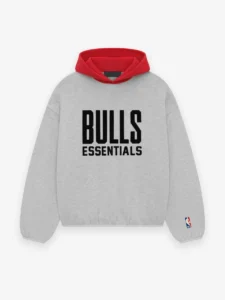
That same energy shows up in gen z fashion trends. One day it’s soft streetwear, the next it’s quiet luxury, and then suddenly maximalism is everywhere again. Gen Z doesn’t follow traditional fashion cycles at all. They follow whatever aligns with how they feel that day. With mood-driven dressing, identity exploration, fast-moving digital inspiration, and smart tools like the AI personal stylist and the broader AI Stylist ecosystem, their style evolves as quickly as they do.
What’s Really Driving Gen Z Fashion Trends?
There’s more to gen z fashion trends than “aesthetics” and TikTok sounds. Today’s young shoppers care about how clothes make them feel, how they express identity, and how quickly they can find something that matches their vibe.
1. Mood-Based Dressing Is the New Trend
Every day feels different and Gen Z wants their outfits to reflect that.
Feeling soft? They go pastel and cozy.
Feeling bold? They go oversized and neon.
Feeling introspective? Neutral tones it is.
This is where the AI personal stylist trend exploded. It helps match clothing to mood, season, or moment instantly, a big reason why gen z fashion trends shift quickly and often.
2. They Want Personalization, Not Random Recommendations
Gen Z has grown up in a world where every feed is tailored and every For You Page feels uncannily accurate. So naturally, they expect the same level of precision from fashion. They don’t want endless scrolling or generic outfit ideas. They want recommendations that feel handpicked, like someone actually understands their vibe, their mood, and their style identity.
A 2025 analysis by Boston Consulting Group (BCG) in collaboration with Women’s Wear Daily (WWD) shows that Gen Z and Gen Alpha are projected to drive 40% of future fashion spending. The report notes that nearly 50% of younger consumers expect personalized attention and tailored product recommendations from brands — underscoring how important personalization has become.
3. They Shop in Real-Time Moments, Not Long Browsing Sessions
Gen Z doesn’t browse; they react. Their shopping behavior is shaped by quick bursts of inspiration rather than long discovery cycles. Here’s what that looks like:
- They shop the moment something clicks — mid-scroll, mid-chat, mid-mood.
- Long product pages feel outdated; they prefer instant options over endless browsing.
- They want suggestions that match the moment, not generic picks that feel disconnected from their current vibe.
- They avoid decision fatigue, so fast, relevant discovery is a must.
- And because they move fast, trends move fast, making gen z fashion trends shift at the speed of their inspiration.
The Psychology Behind Why Gen Z Shops the Way They Do
Beyond aesthetics, gen z fashion trends are shaped by deeper psychological drivers.
Identity Exploration Is Constant
Gen Z doesn’t believe in one fixed identity. Their style shifts based on:
- Communities they engage with
- Online subcultures they follow
- Changing life phases
- Daily emotional states
And because identity is fluid, trends become fluid too. This is where the AI personal stylist plays a surprisingly helpful role, curating pieces that match who they feel like today, not who they were last week.
They Value Authenticity Over Perfection
Filters are fading. Raw, real, unpolished is in.
So Gen Z gravitates toward styles that feel genuine, comfortable, and lived-in. Even luxury is reinterpreted into “quiet luxury,” where subtlety matters more than labels.
No wonder gen z fashion trends lean toward soft silhouettes, thrifted aesthetics, and personality-driven staples.
They Trust Tech That “Gets” Their Style
Here’s where things get fascinating.
Gen Z may be skeptical about many things — but not about smart fashion tech. When a platform consistently understands their preferences, predicts what they like, and evolves with them, it becomes part of their shopping habit.
This is why the AI personal stylist is no longer a novelty. It’s a necessity. And why platforms like Glance feel so relevant in the discovery journey.
Conclusion
At the heart of gen z fashion trends lies a generation that shops with emotion, curiosity, and digital intuition. They want personalization without effort. Inspiration without overload. Style that evolves with them.
As the AI personal stylist and advanced fashion discovery models continue to expand, Gen Z’s style choices will only grow more dynamic and expressive. And with platforms like Glance shaping this AI-powered discovery era, young shoppers are stepping into a future where fashion feels more personal and more intuitive than ever.