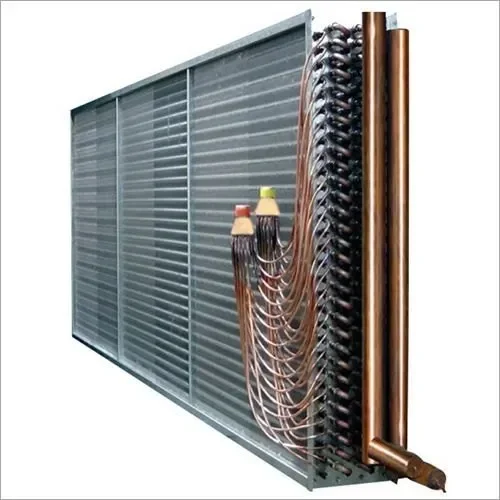
The modern industrial plants operate on accuracy, reliability, and small energy needs, so the properly designed HVAC systems are a strategic asset instead of a comfort feature. The industrial HVAC systems that are offered by Mistcold are focused on the energy efficiency, reliability of the system, and the performance in the large-scale systems that enable the plants to remain productive and manage the operating costs.
Industrial Performance Engineered
Mistcold specializes in application design, beginning with load analysis, process design, and facility layout and then proposing equipment. This guarantees the correct sizing of chillers, air handling units, coils, and ducting to the operating conditions of the real world and not the theoretical maximum loads. Both oversizing and undersizing are discouraged, and it is a direct contributor to energy efficiency and performance in the long-term. System layouts are also to be made to reduce pressure drops, maximize air flow and easy accessibility to the system during maintenance.
Energy Efficiency at Scale
To the contemporary industries, energy efficiency is a cost as well as sustainability concern. The solutions provided by Mistcold usually include high efficiency chillers, high efficiency heat exchangers, variable frequency drives (VFD) on pumps and fans and intelligent control systems to ensure that the capacity is adjusted to the demand at every moment. These eliminate the part-load penalties and they do not operate at full speed all the time. Even minor improvements in efficiency, in large scale applications, would lead to large savings in the life of the system. Demand-based control regimes, night-setback controls, and optimized water/air temperatures push the energy consumption further without compromising the stability of the process.
Continuous Operation Reliability
The industrial setting requires HVAC systems which can operate effectively in severe conditions: dust, vibration, high ambient temperatures, 24/7 operation. Mistcold focuses on strong component choice, corrosion-resistant material, redundancy in such key components as pumps, compressors, and control circuits. Considered segmentation of systems assists in isolating failures, such that failure of one part does not cause the whole plant to stop. Easy access to maintenance, standardized components, and diagnostics are also useful to help in quick troubleshooting and minimize downtime during maintenance.
Scaled to Large-Scale Applications
In major plants, HVAC is closely integrated with production, such as process line cooling, controlled environment in clean areas, and specific humidity/temperature to produce a quality product. Mistcold develops systems with regard to zoning, process heat recovery, and integration with building management systems. The central plants can be designed to be modularly expanded as the capacity can be increased with the facility. Correct balance in the distribution of air and water means that remote zones will be provided with stable conditions, not only the closest ones to the mechanical room.
Lifecycle Value and Smart Controls
Controlled HVAC of modern industry is more a matter of controls than hardware. The solutions by Mistcold are generally based on smart control systems that check the temperatures, pressures, flows and energy consumption and continuously adjust the operation. This reduces the energy waste, predicts the possible failure, and offers the information to optimize it in the long term. These features can be combined with preventive maintenance planning to extend the life of equipment and reduce the overall lifecycle cost, instead of concentrating on the initial cost of the equipment.
Design, equipment choice, and controls based on energy efficiency, system reliability, and needs of large scale applications allow the industrial HVAC solutions of Mistcold to ensure that modern industries maintain consistent production, reduce energy costs, and increase the lifespan of assets, making climate control a strategic asset instead of a utility expense line item.