
Health discussions often focus on visible or commonly discussed areas such as heart health, digestion, or mental well-being. However, ear health is just as essential and often overlooked until discomfort or hearing challenges appear. Our ears play a vital role in communication, balance, awareness, and mental focus, making them an important part of daily life and long-term wellness.
In today’s fast-paced world, constant noise exposure, long hours with headphones, stress, poor sleep, and lifestyle habits can quietly affect how the ears function. Supporting hearing wellness early and consistently can help maintain comfort, clarity, and quality of life over time.
Why Ear Health Matters More Than We Realize
The ears do more than allow us to hear sounds. They are closely connected to the brain and nervous system, helping process information and maintain balance. Healthy hearing supports better communication, social interaction, and mental clarity. When ear health is compromised, people may experience difficulty concentrating, increased mental fatigue, or reduced awareness of their surroundings.
Ignoring early signs of ear discomfort can lead to long-term challenges. That is why awareness and daily care play an important role in preserving hearing wellness.
Modern Lifestyle Challenges Affecting Hearing Wellness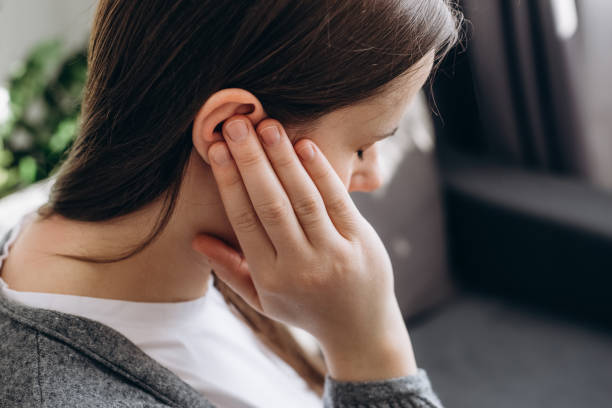
Many everyday habits can influence ear health without us realizing it. Prolonged exposure to loud environments, whether from traffic, music, or workplace noise, places continuous strain on the auditory system. Frequent use of earbuds at high volume is another common factor that can impact hearing comfort over time.
Stress also plays a role. Chronic stress can affect circulation and nerve function, which may indirectly influence auditory comfort. Poor sleep prevents the body from properly restoring sensitive systems, including those related to hearing and brain function.
Diet and hydration are equally important. A lack of essential nutrients and fluids may affect circulation and nerve support, both of which are crucial for maintaining healthy hearing.
Simple Daily Habits to Support Ear Health
Supporting ear health does not require complicated routines. Small, consistent habits can make a meaningful difference. Lowering headphone volume, taking listening breaks, and using ear protection in noisy environments are simple preventive steps.
Managing stress through relaxation practices such as deep breathing, meditation, or light exercise helps calm the nervous system. Quality sleep allows the body to repair and rebalance naturally. A nutrient-rich diet with fruits, vegetables, and healthy fats supports circulation and nerve health, which are essential for hearing wellness.
Staying hydrated also supports inner ear balance and overall body function.
Natural Wellness Approaches and Hearing Support
As interest in holistic wellness grows, many individuals are exploring natural approaches to support ear health alongside lifestyle changes. This includes focusing on nutrition, stress management, and daily routines that promote balance throughout the body.
In this context, Ear Health and Hearing Wellness: The Role of Audizen is often discussed by individuals looking to complement healthy habits with natural support. Audizen is designed to fit into a daily wellness routine, using carefully selected plant-based ingredients aimed at supporting hearing comfort and mental clarity. It is generally viewed as a supportive addition rather than a replacement for healthy living practices.
The Link Between Hearing and Mental Focus
Hearing and mental clarity are closely connected. When the auditory system struggles to process sounds efficiently, the brain must work harder, which can lead to mental fatigue. This can affect focus, productivity, and overall comfort, especially in busy or noisy environments.
Maintaining ear health may help reduce this cognitive strain, allowing the brain to process sound more efficiently. Clear hearing often supports better communication, sharper focus, and a more relaxed state of mind.
Aging and Long-Term Hearing Wellness
As people age, natural changes in circulation and nerve function can affect hearing clarity. While aging cannot be stopped, lifestyle choices play a major role in how these changes progress. Staying physically active, maintaining a balanced diet, and supporting mental wellness all contribute to healthier aging, including better hearing comfort.
Early attention to ear health can help slow age-related changes and support long-term quality of life.
A Holistic View of Ear Health
True wellness comes from viewing the body as a connected system. Ear health is influenced by nutrition, stress levels, sleep quality, physical activity, and emotional balance. Addressing only one factor may not be enough; a holistic approach helps create long-term support.
Rather than waiting for noticeable discomfort, preventive care and awareness can help maintain hearing wellness naturally. Simple daily choices can make a significant difference over time.
Final Thoughts
Ear health is an essential part of overall well-being that deserves more attention. In a world filled with constant noise and daily stress, supporting hearing comfort through mindful habits and balanced wellness choices is more important than ever.
By focusing on prevention, healthy routines, and supportive natural options, individuals can protect their hearing, improve focus, and enhance daily comfort for the long term.
FAQs
1. Why is ear health important for overall wellness?
Ear health supports communication, balance, and mental focus. Healthy hearing contributes to better daily comfort and quality of life.
2. What lifestyle habits affect ear health the most?
Noise exposure, stress, poor sleep, unhealthy diet, and frequent headphone use can all impact hearing wellness over time.
3. Can stress influence hearing comfort?
Yes, chronic stress may affect circulation and nerve function, which can indirectly impact auditory comfort and focus.
4. Are natural supplements useful for hearing wellness?
Some people include natural supplements as part of a balanced wellness routine to support hearing comfort alongside healthy habits.
5. How can I protect my ears daily?
Lowering volume levels, taking breaks from noise, managing stress, staying hydrated, and eating a balanced diet are effective daily steps.