Introduction
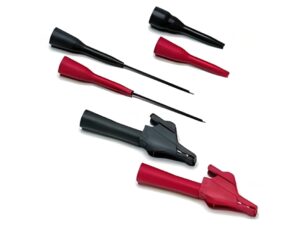
A Fluke Test Connector Adapter helps you connect test leads, probes, and accessory connectors to measurement instruments with a secure, reliable fit. As a result, you reduce loose contacts, stabilize readings, and improve safety during troubleshooting. Whether you work in electrical maintenance, industrial controls, or electronics repair, the right adapter makes everyday testing faster and more consistent.
Because modern systems include compact terminals, mixed connector types, and sensitive components, connection quality matters. Therefore, choosing a purpose built adapter is not just about convenience. It also supports accuracy, repeatability, and safer workflows when measuring voltage, current, resistance, or continuity.
Why a Fluke Test Connector Adapter matters in real testing
When a connection slips, measurements can fluctuate. Consequently, you might chase a problem that is not actually there. A quality adapter reduces that risk by creating a stable interface between your meter and the point und
er test.
It also supports faster setup. Instead of forcing incompatible connectors together, you select the proper adapter and start testing. This is especially helpful when you are moving between panels, contactors, and field wiring where terminal styles vary.
Key benefits for technicians and engineers
-
More consistent contact, which helps produce stable readings
-
Reduced rework, because you spend less time reseating cables and clips
-
Improved safety, since secure connections reduce accidental shorts
-
Better flexibility, because one meter setup can fit more connector types
-
Cleaner test workflow, particul
-
arly during repetitive checks
Common applications across electrical and electronics work
A Fluke Test Connector Adapter is useful anywhere you need dependable connectivity. For example, it is commonly used during commissioning, maintenance, and fault finding in industrial and commercial environments.
Industrial panels and motor control
In motor control centers, you
often test contactors, overloads, and terminal blocks. Therefore, an adapter that matches your lead style can improve access and reduce hand strain. It also helps when space is limited and tools must stay steady.
Sensors and low signal circuits
Many sensors produce small signals. Consequently, poor contact can distort readings. When testing temperature sensors, thermal sensors, or process inputs going into controllers, stable connections can support more trustworthy diagnostics.
Electronics repair and prototyping
Electronics work frequently involves mixed connectors and delicate pins. An adapter helps connect to test points without damaging components. This matters when validating circuits that include microcontrollers, microprocessors, LEDs, capacitors, and switching stages.
How a connector adapter improves measurement accuracy
Measurement accuracy is not only about the instrument. It is also about what happens between the instrument and the circuit. Even a high end meter can show unstable values if the connection is weak.
A well fitted adapter reduces contact resistance and movement. As a result, you get readings that settle faster and remain stable. This is helpful during:
-
Continuity tests where s
-
mall resistance changes matter
-
Current measurements that require solid lead seating
-
Voltage checks in vibrating environments
-
Diagnostics around switches and protective fuses
In addition, cleaner connections can reduce intermittent spikes. Therefore, you can make decisions with more confidence, especially when verifying control wiring or checking signal confirmation from controllers.
What to look for when choosing the right adapter
Not every job needs the same style. Therefore, selection should match your equipment and working conditions. Focus on compatibility, durability, and safety first.
Compatibility with leads and connectors
Check the connector format you need to interface with. Many setups include banana style inputs, shrouded connectors, or specialized terminations. Also confirm that the adapter supports the cables and accessories you already use.
Build quality and grip
A good adapter should feel secure in the hand. Strong grips reduce slips and improve control, especially when wearing gloves. This matters during live testing where you want predictable handling.
Electrical safety and insulation
Safety should be a top priority. Choose adapters with robust insulation and a design that helps avoid exposed metal. If your work involves higher energy circuits, you should follow your company safety procedures and confirm the appropriate rating for the environment.
Environment and field conditions
Field work may involve oils, dust, and temperature changes. Therefore, materials and strain relief matter. For example, if you work near lubricants or oils, look for designs that resist softening and keep their shape.
Best practices for safe, reliable test connections
Even with a strong adapter, good habits improve results. Therefore, build a quick routine before each measurement.
Simple checklist before you test
-
Inspect cables for cuts or hard bends
-
Confirm the adapter seats fully and does not wobble
-
Keep leads routed away from sharp edges and moving parts
-
Verify fuses are intact if your tool uses fused current inputs
-
Use the correct function range on your instrument
Tips for consistent readings
Stabilize your hand position and avoid pulling on cables while measuring. Also, make sure the contact surface is clean. Oxidation or debris can raise resistance, which can affect low level measurements in electronics.
If you are working with thermal sensors or thermal pads, allow the system to reach a steady state before recording values. Consequently, your results will be more repeatable when comparing readings over time.
Where connector adapters fit into a modern test kit
A connector adapter is a small item, yet it supports many tasks. It complements clamps, probes, and specialty leads, and it helps your tools match real world connection points.
For technicians servicing laptops, industrial control boxes, or mixed electronics assemblies, adapters help bridge the gap between standardized meter inputs and varied hardware outputs. As a result, you can move from one job to the next with fewer interruptions.
In many teams, adapters also improve standardization. When everyone uses consistent connection methods, troubleshooting becomes easier to repeat and document.
Conclusion
A is a practical upgrade for anyone who values safe, stable, and efficient testing. Because it improves connectivity between your instrument and the circuit, it supports better accuracy and smoother workflows. Whether you are validating cables, checking contactors, testing sensors, or diagnosing electronics built around microcontrollers and microprocessors, the right adapter helps you work with confidence and consistency.