Dubai and the wider United Arab Emirates are synonymous with architectural ambition. From the piercing height of the Burj Khalifa to the intricate artificial archipelagos of the Palm Jumeirah, the region has established itself as a global playground for construction innovation. But behind the shimmering glass facades and gravity-defying cantilevers lies the silent, critical work of engineering. It is the backbone of the city, ensuring that aesthetic dreams can withstand the harsh realities of physics and the desert environment.
For developers and investors, the choice of an engineering partner is the most significant decision in the project lifecycle. A design that looks spectacular on a rendering is useless if it cannot be built efficiently, safely, and sustainably. This is where firms like Integra step in, bridging the gap between artistic vision and structural reality. We understand that in a market as competitive as the UAE, precision is not a luxury—it is a requirement.
Civil engineering design uae encompasses a broad spectrum of disciplines that go far beyond pouring concrete. In a region characterized by unique geological challenges—such as loose soil composition, high saline groundwater, and extreme thermal fluctuations—the design phase is where a project is truly won or lost. Successful civil engineering in this specific climate requires a deep understanding of local environmental loads and rigorous adherence to international standards mixed with local regulatory codes. It involves meticulous planning for infrastructure, drainage, and utility networks that must function flawlessly in temperatures exceeding 45 degrees Celsius. At Integra, we approach civil engineering design in the UAE not just as a technical task, but as a strategic operation to ensure longevity and resilience for every structure we touch.
Navigating the Unique Challenges of the Region
Building in the Gulf is unlike building anywhere else on Earth. The environmental factors alone dictate a specific set of Civil engineering design uae protocols that must be followed strictly.
Soil and Foundation Mechanics
The ground beneath our feet in the UAE varies significantly, from the sabkha (salt flats) to loose desert sands and coastal reclamation sites. This geological diversity presents a primary challenge for foundational design. Engineers cannot simply apply a one-size-fits-all approach. We utilize advanced geotechnical investigations to determine the appropriate foundation type, whether that be deep piling for skyscrapers or soil improvement techniques for low-rise communities. The high salinity in the groundwater also poses a threat to reinforced concrete, necessitating the use of sulphate-resistant cement and specialized waterproofing membranes to prevent corrosion and structural degradation over time.
Wind and Seismic Loads
While the UAE is not in a high-risk seismic zone compared to parts of East Asia, it does sit near the Zagros fold and thrust belt. Consequently, tall structures must be designed to withstand seismic activity (Zone 2A). More pressing, however, is the wind. As buildings climb higher, wind loads become the dominant lateral force. Engineering sophisticated damping systems to reduce sway is essential not just for structural integrity, but for the comfort of the people occupying the top floors.
The Regulatory Framework and Compliance
One of the most complex aspects of construction in the Emirates is navigating the regulatory landscape. The standards are high, and the approval processes are rigorous.
Authorities and NOCs
Any construction project involves a web of No Objection Certificates (NOCs) and approvals from various bodies, such as the Dubai Municipality, Trakhees, Dubai Civil Defense, and utility providers like DEWA. A proficient engineering firm must manage these stakeholders effectively. Delays in approvals often bleed into construction timelines, costing developers millions. At Integra, our familiarity with the local code—such as the Al Safat Green Building Rating System—ensures that designs are compliant from the very first draft, streamlining the path to the building permit.
Sustainability and Estidama
Sustainability is no longer an optional “add-on.” The UAE has committed to ambitious net-zero targets, and this trickles down to civil engineering requirements. In Abu Dhabi, the Estidama Pearl Rating System mandates specific sustainability metrics. In Dubai, green building codes require energy-efficient designs, water conservation measures, and the use of sustainable materials. Engineering design now involves lifecycle analysis, calculating the carbon footprint of the concrete mix and steel usage before ground is even broken.
The Digital Revolution: BIM and Technology
The days of 2D AutoCAD drawings serving as the primary source of truth are fading. The industry is shifting entirely toward Building Information Modeling (BIM).
Clash Detection and Efficiency
BIM allows us to build the project virtually before building it physically. This creates a digital twin of the structure where architectural, structural, and MEP (mechanical, electrical, plumbing) elements coexist. We can identify clashes—such as an AC duct running through a structural beam—months before they would cause a crisis on the construction site. This level of foresight significantly reduces rework, material waste, and cost overruns.
Advanced Structural Analysis
Modern software allows us to simulate various stress scenarios on a building frame. We can model how a structure will behave during a shamal (northwesterly wind) or how the thermal expansion of a steel roof in July will affect the supporting columns. This data-driven approach allows for material optimization. Instead of over-engineering a column out of caution, we can design it to the exact specifications required, saving clients money on raw materials without compromising safety.
From Concept to Concrete: The Integra Process
A successful project follows a structured engineering workflow. Skipping steps or rushing through the design development almost always leads to complications during the tender or construction phases.
1. Concept Design
This is the collaborative phase where engineers work alongside architects. We assess the feasibility of the vision. Can this cantilever span 20 meters without a column? What is the most efficient structural grid? We establish the primary load-bearing systems here.
2. Schematic Design
Here, the engineering systems are defined in greater detail. We size the main structural members, determine floor-to-floor heights based on service requirements, and begin coordination with MEP consultants.
3. Detailed Design
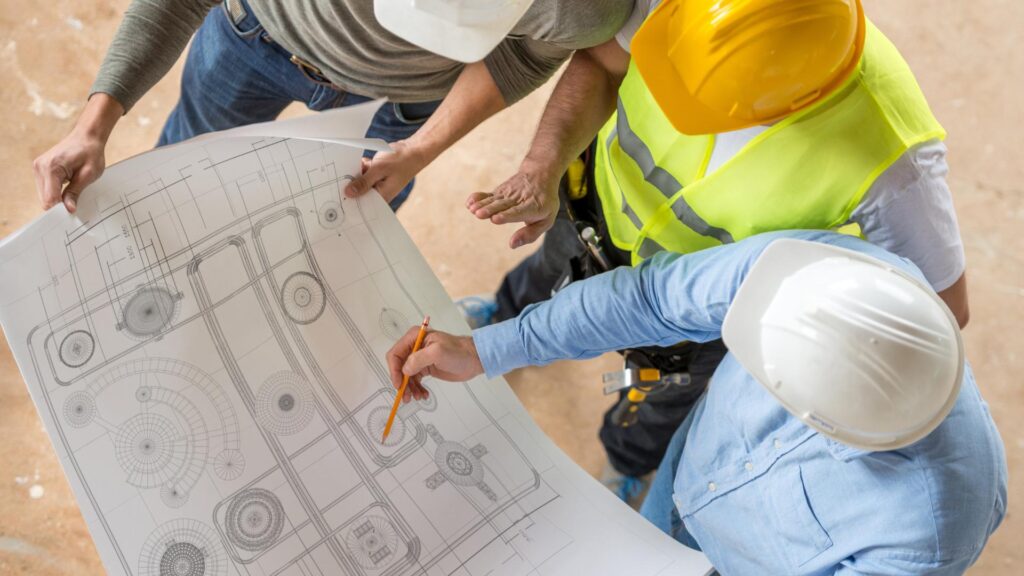
This is the blueprint for construction. Every connection, reinforcement bar, and concrete grade is specified. The detailed design documentation is what contractors use to price the project and eventually build it. Accuracy here is paramount to avoiding disputes and variations during construction.
The Future of Construction in the Emirates
As we look toward 2030 and beyond, the role of the civil engineer is evolving. We are moving toward modular construction and 3D printing, technologies that the UAE government is actively promoting.
Modular construction involves prefabricating building sections in a controlled factory environment and assembling them on-site. This improves quality control and speeds up construction time. However, it requires a completely different engineering approach, focusing on transport logistics and lifting points as much as the final structural connections.
Similarly, retrofitting is gaining traction. As the first wave of Dubai’s major skyscrapers begins to age, structural engineers are increasingly tasked with assessing the health of existing buildings. Retrofitting older structures to meet modern energy codes or to repurpose them for new uses is a growing market sector that requires forensic engineering skills.
Finding a competent design structural engineer DUBAI offers is critical for high-stakes projects where the margin for error is non-existent. The city is home to some of the most complex vertical structures in the world, and the engineers responsible for them must possess a mastery of advanced statics and dynamics. Whether it is a luxury villa on the Palm or a mixed-use high-rise in Business Bay, the structural engineer is the guardian of safety. They optimize the “bones” of the building, ensuring that the architectural intent is preserved while guaranteeing that the structure can endure the test of time and elements. At Integra, our structural team prides itself on delivering designs that are as efficient as they are robust, ensuring your investment stands firm.
Partnering for Success
The skyline of the UAE is a testament to what is possible when human imagination meets engineering rigor. It is a landscape defined by boundaries being pushed and records being broken. However, the success of these projects relies heavily on the competence of the teams behind the scenes.
Civil and structural engineering are the silent disciplines that make modern life possible. They ensure our water runs, our roads hold, and our towers stand tall against the desert winds. As the region continues to grow and evolve, prioritizing high-quality engineering design will remain the single most important factor in the successful delivery of construction projects.
At Integra, we are committed to shaping the future of the UAE through engineering excellence. By combining local expertise with international best practices and cutting-edge technology, we help our clients build not just structures, but legacies.