Introduction
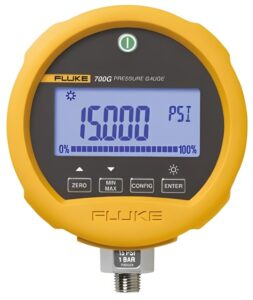
A Digital Pressure Gauge is an electronic instrument that converts pressure into clear numeric values on a screen. Our Digital Pressure Gauge gives fast, precise readings, so you can monitor processes with confidence and react quickly when something changes.
How a Digital Pressure Gauge Works in Modern Systems
Inside every quality digital gauge you will find a pressure sensing element, signal conditioning electronics, and a display. The sensors convert mechanical pressure into a small electrical signal, while intelligent microcontrollers filter noise and correct errors.
That signal then passes through microprocessors and supporting components such as a capacitor, LEDs, and fuses to protect the circuit. Finally, the display shows stable values that are easy to read at a glance, even in noisy environments where analog needles may vibrate.
To connect the gauge into your system, rugged connectors and cables provide reliable links to controllers, laptops, or data loggers. As a result, you get accurate data that flows directly into your control software without manual recording.
Key Features of Our Digital Pressure Gauge
Our gauge is designed as a compact, robust tool that fits seamlessly into modern industrial electronics. Key benefits include:
-
High accuracy readings that help protect equipment and improve safety.
-
Durable enclosure with strong grips that allows easy handling in the field.
-
Flexible outputs that integrate with controllers, microcontrollers, and laptops.
-
Reliable components such as sensors, fuses, LEDs, and switches for long service life.
High accuracy sensors and clear display
The heart of our product is a precision sensor with tight repeatability and low drift. It works reliably with gases, water, and compatible oils, making it suitable for a wide range of applications.
The large digital display uses bright LEDs with clear units, so your team reads values quickly from different angles. The tactile side grips and intuitive switches make operation simple, even when you wear gloves or handle other tools on the line.
Robust electronics, safety, and reliability
Because safety is critical, our design includes properly rated fuses and switches that protect the electronics during faults. Quality contactors and connectors maintain strong electrical paths to your controllers and microcontrollers.
Thermal pads and a carefully planned thermal layout help spread heat away from sensitive components. As a result, the gauge stays stable during long shifts and in demanding environments, from hot compressor rooms to cold test benches.
The enclosure resists dust, vibration, and splashes, so the internal sensors remain protected. This robust build reduces downtime and helps you extend service intervals.
Where to Use a Digital Pressure Gauge
Thanks to its compact size and smart electronics, our gauge suits many sectors.
Industrial machinery and process control
In industrial systems, pressure readings affect quality, efficiency, and safety. Our Digital Pressure Gauge integrates with pumps, compressors, and hydraulic units where accurate feedback is vital.
The gauge works alongside existing electronics such as controllers, microprocessors, and contactors that start or stop equipment based on pressure limits. Well planned cables, connectors, and fuses support clean wiring inside control panels.
You can monitor oils in lubrication lines, thermal fluids in heat exchangers, or air in pneumatic tools. Because the sensor responds quickly, operators see pressure changes in real time and can act before problems escalate.
Mobile, lab, and laptop connected testing
Maintenance teams and engineers often need portable testing solutions. Our gauge is light enough to carry in a case with other tools, grips, and accessories.
In labs or on site, you can connect the Digital Pressure Gauge to laptops for logging and analysis. The electronics provide stable signals that interface with data acquisition boards or simple USB controllers, depending on your setup.
This flexibility makes it ideal for validating new sensors, checking calibration of existing gauges, or troubleshooting pressure related faults in prototypes and installed systems.
How to Select the Right Digital Pressure Gauge for Your Application
Choosing the best gauge starts with understanding your process, medium, and environment.
Pressure range, media, and thermal conditions
First, define the minimum and maximum pressure you expect in normal and fault conditions. Our product comes in several ranges, so you can match the gauge to your specific system.
Next, consider the medium, whether it is clean air, process gas, water, or oils with additives. The wetted parts must be compatible with that medium to avoid corrosion and maintain sensor accuracy.
Finally, account for thermal conditions. High or low temperatures can affect sensor output and electronics. Our gauge uses materials, seals, and thermal design that perform well across typical industrial and lab temperature ranges.
Connectivity, cables, and integration with controllers
Your choice of output and connectivity affects how easily the gauge fits your existing equipment. Options may include local display only, analog outputs, or digital interfaces.
Plan your wiring with quality cables and connectors to keep signals clean. When linked to controllers, microcontrollers, or microprocessors, the Digital Pressure Gauge can trigger alarms, adjust pumps, or log data for long term trend analysis.
Because our product follows common electronics standards, it integrates smoothly into panels that already host switches, LEDs, capacitors, contactors, and other control components.
Why Our Digital Pressure Gauge Adds Value to Your Setup
By choosing our Digital Pressure Gauge, you gain accurate measurement, robust electronics, and flexible connectivity in a single compact device. It helps you protect equipment, support safety procedures, and maintain consistent product quality.
Moreover, the combination of smart sensors, reliable connectors, and thoughtful thermal design lowers maintenance time and reduces unexpected downtime. Whether you are upgrading an existing system or designing a new panel, our gauge delivers the performance and durability your applications demand.