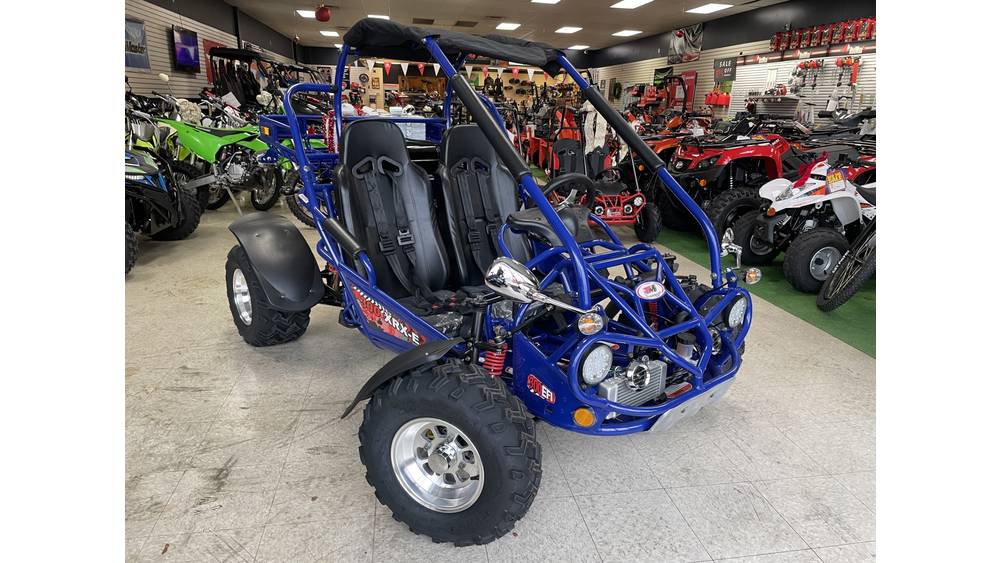
And if you’re in the market for an electric go kart for you or your child, then this is the guide you’ll absolutely need to read as it carries all the vital issues – actual speed in real life, range, battery life, safety features, costs and optimal solutions concerning different riders on which a tariff is characterized. Also included are gas karts, maintenance pointers, and frequently asked questions. Plain English and straightforward recommendations – not fluff.
Some Related Search Terms
-
electric go kart for adults
-
battery-powered go-kart
-
kids electric go kart
-
lithium-ion kart
-
indoor karting
-
time to charge
-
range
-
vs gas
Why Choose an Electric Go Kart?
Here is why electric karts have gone from “niche” to “normal,” especially at indoor tracks and in communities:
Major Advantages:
-
Instant Torque: Brushless motors provide scorching acceleration that seems faster than the top speed would indicate.
-
Less Hassle: No oil changes, carb tunes or fuel to store, low count of moving parts to deal with.
-
Silent and Clean: Zero tailpipe emissions make it an ideal choice for your garage or driveway and indoor karting facilities.
-
Safety: Features such as speed limits through an app in many consumer models; parental modes, and remote stop.
-
Unvarying Performance: No engine warm-up; full power from the first lap to the last (then the battery tapers).
Real talk: If you want dependable fun with little wrenching—electric is mostly going to be the better bet for most families and first-time owners.
How Fast Are Electric Go Karts?
Speed depends on rider weight, motor power, battery voltage, and gearing. Here are some typical ranges:
-
Kids (6–10): 8–15 mph with adjustable modes
-
Youth/Teens (10–15): 12–23 mph
-
Adult Recreational: 20–35 mph
-
Rental/Indoor Track Karts: 40–50+ mph w/ strong acceleration
-
Performance/Race Builds: 60–75+ mph (Track only – experienced and safety gear is a must)
Acceleration is much more than a handful of small gain mph at the top end that nobody can care about. The electric torque makes it feel spirited at the 20–30 mph range in tight spaces.
What to Look for Before You Buy
Specs and Features to Prioritize:
Motor and Power:
-
Brush up on BLDC motors; power is often expressed in watts (W)
-
1000 to 2000W for teenagers
-
2000–5000W for adults
Battery Type:
-
Lithium-ion beats lead-acid in performance and lifespan.
-
Check voltage: 36V, 48V, 60V
-
Capacity: Ah or Wh
Range/Run Time:
-
Around 40–60 minutes of mixed driving
-
Track laps: 15–30 minutes
Charging Time:
-
Normal charger: 4–6 hours
-
Fast charging: 1–2 hours
-
Use OEM/UL-listed charger
Weight and Adjustability:
-
Adjustable seat, pedals, and steering
-
Fits growing riders and different adults
Safety Features:
-
Parental safety modes
-
Remote shutoff
-
Powerful hydraulic brakes
-
Sturdy frames
-
Helmets are non-negotiable
Parts/Service:
-
Brands that have parts availability and documented support.
Best Electric Go Kart by Rider
Kids (Ages 6–10)
Example: Razor Ground Force series, Crazy Cart variants
Average: 8–12 mph; 12V–24V; SLA or EL
Why: Budget-friendly, laid back, restricted to confined spaces
Tween/Teens (10–15)
Examples: Segway Ninebot Gokart/Pro, MotoTec 1000W
Average: 12–23 mph
Speed Control: Through app
Rated Voltage: 36V–48V
Type: EL (lithium)
Why: Variable, dependable, convenient to arrange and reenergize
Adults (Leisure)
Examples: Segway Ninebot Gokart Pro 2, MotoTec 2000W, Kandi/Hiboy variants
Average: 20–35 mph
Voltage Range: 48V–60V
Why: A good balance between speed, safety, and cost
Performance / Racing
Examples: Blue Shock Race (BSR) electric karts, SODI/OTL circuit karts
Typical: 50–75+ mph; track-only; high-spec lithium packs
Why: Major speed with the same performance and low routine maintenance
Note: Indoor karting chains like K1 Speed run pro-grade electric fleets with powerful torque and speed controls for safe, consistent “arrive-and-drive” racing.
Purchase Price (Typical)
-
Kids: $300–$500
-
Teens/Entry Adults: $1,000–$1,200
-
High-Performance Consumer: $3,500–$3,5000
-
Race/Track Karts: $7,000–$15,000+ (chassis + powertrain)
Charging Cost
A 48V 20Ah pack is ~1 kWh.
$0.15/kWh
Full charge: ~$0.15
Larger 2–3 kWh packs: still under a buck in most areas
Maintenance
-
Similar to gas: tires, brakes, chain/belt tension, bearings
-
No: oil, fuel, carb work
-
Battery Replacement: Every 3–5 years
-
Lithium: 700–1,000+ cycles
-
Battery replacement = 25–40% of kart price
Tip: Proper storage (40–60% charge, cool/dry) extends battery life.
Safety and Where to Ride
Safety Essentials:
-
Full-face helmet, gloves, closed-toe shoes
-
For fast karts: add rib protector, neck collar
-
Remote control or adult operation for kids
-
No pets near operation area
Where NOT to Ride:
-
Public roads
-
Wet conditions
-
Drainage channels
-
Steep slopes
Where You Can Ride:
-
Driveways (if space and gradients allow)
-
Indoor kart tracks
-
Outdoor tracks
-
Private lots (home, shopping centers, etc.)
-
Kart clubs/sanctioned practice days
Resources: FIA Karting, CPSC for youth product safety
Electric vs Gas Go-Karts: A Quick Comparison
| Element | Electric Go-Kart | Gas Go-Kart |
|---|---|---|
| Acceleration | Instant torque, smooth | Builds with RPM; punchy at top |
| Maintenance | Low: no oil/carb, fewer parts | Higher: oil, carb, fuel, tuning |
| Noise/Emissions | Quiet, zero tailpipe emissions | Loud, fumes—ventilation needed |
| Tuning/Control | App modes, remote stop | Mechanical jets/gearing |
| Run Time | 15–60 mins/charge; some have swappable batteries | 1–2 hrs/tank; fast refuel |
| Operating Cost | Low electricity cost | Fuel + consumables |
| Home/Indoor Use | Excellent | Limited (noise, fumes) |
Summary: A little less fuss and indoor-friendly fun.
If you need multi-hour runtime without charging, go with gas—just be ready for noise and maintenance.
Good Rules for Setting, Charging, and Storing
-
First three charges: Fully charge to calibrate BMS
-
Avoid full drains: Recharge around 20–30%
-
Storage: 40–60% charge, check every 1–2 months, store in a cool/dry place
-
Chargers: Use only OEM or UL-listed chargers
-
No overnight unsupervised charging
-
Post-ride check: Tire pressure, chain/belt tension, brake test, loose bolts
Actual Application
Electric is something indoor facilities welcomed for the sake of removing ventilation issues, reducing downtime between heats, and returning consistently performing karts. Battery-powered go-karts are what families in a quaint neighborhood with relatively low upkeep, concerns over noise, and built-in speed control mean choose most.
Motor’s no big learning curve; it’s space and safety so the fun can keep going.
FAQs
How fast is an electric go kart?
-
Children’s models: 8–15 mph
-
Teen/Adult recreational karts: 20–35 mph
-
Track karts: Over 45 mph
-
Performance builds: 60+ mph (on closed courses)
How long does the battery last on one charge?
-
Casual riding or lapping: 40–60 minutes
-
Aggressive/track use: 15–30 minutes
-
Larger lithium packs and smoother driving: Extended run times
Electric Go Karts – Modestly Better?
For most families and indoor use: Yes, electric is the better option
-
Lower noise levels
-
Cleaner operation
-
Easier maintenance
Gas is better only if:
-
You need multi-hour sessions without charging
-
You’re okay with extra maintenance
Are Electric Go Karts Safe for Kids?
Yes, with proper safety measures:
-
Helmets
-
Adult supervision
-
Speed limits and parental controls
-
Remote stop features
-
Robust braking
Important: Use only in closed, safe surfaces
Is it possible to convert a gas go-kart to electric?
Yes, but:
-
Requires a motor kit, controller, battery, and mounting hardware
-
Needs fabrication skills and electrical know-how
Recommendation: For the average buyer, a purpose-built electric kart is a much safer and more reliable investment.
Final Word
Simple to use, safe, and entertaining yet contemporary in performance and environmentally friendly – the future of fun could most certainly belong to electric go karts. Suitable for children, teenagers, adults, enthusiasts, and even professional racers, there is an efficient electric solution catering to varying budgets and needs. As long as they are properly used, considering safety aspects, they provide an enjoyable and inexpensive way onto the circuit or around the house.