
Preparing for a driving test involves more than simply practising basic manoeuvres. It requires a clear understanding of road conditions, consistent decision-making, and the ability to stay calm under pressure. Many learners focus on driving time alone, but structured preparation can make a significant difference. Asking the right questions before the test helps identify gaps in knowledge and highlights areas that need improvement. With a more organised approach, learners can build confidence, reduce uncertainty, and approach the test with a clearer sense of readiness.
Why Asking the Right Questions Before Your Driving Test Matters
A driving test assesses not only technical ability but also awareness, judgement, and consistency. Without asking the right questions, preparation can become unfocused. Learners may practise regularly yet still feel unsure in unfamiliar situations.
By identifying key concerns in advance, preparation becomes more targeted. Questions encourage active thinking, helping learners evaluate strengths and weaknesses. This improves decision-making and builds confidence.
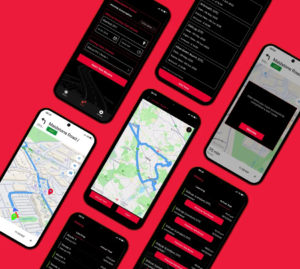
Structured tools, such as a driving test route app, support this process by providing insight into real test conditions, helping learners prepare with clarity.
1. Am I Familiar with the Test Routes in My Area?
Route familiarity is one of the most important aspects of preparation. Driving in a known environment allows learners to anticipate road layouts, traffic flow, and common hazards.
Without this familiarity, even confident drivers may hesitate when encountering unexpected turns or unfamiliar junctions. Recognising road patterns in advance helps reduce hesitation and improves overall control.

Using a driving test route app allows learners to explore realistic routes commonly used during tests. This exposure helps build confidence and reduces the likelihood of surprises on the day.
2. Do I Know the Common Problem Areas on These Routes?
Every test route includes sections that require extra attention. These may include busy roundabouts, complex junctions, or narrow residential streets.
Identifying these problem areas early allows learners to practise them more thoroughly. This focused approach ensures that difficult sections are no longer a source of stress.
Route-based tools highlight these challenging points, helping learners prepare more effectively. By understanding where mistakes are likely to occur, drivers can approach these areas with greater awareness and control.
3. Am I Confident with My Observation Skills at Key Points?
Observation is a critical part of safe driving and is closely monitored during the test. Examiners look for consistent mirror checks, awareness of surroundings, and appropriate reactions to changing conditions.
Key moments requiring strong observation include:
- Approaching junctions
- Changing lanes
- Navigating roundabouts
- Responding to pedestrians and cyclists
Practising on familiar routes helps reinforce these habits. Repetition ensures that observation becomes automatic rather than forced, improving both safety and performance.
4. Can I Maintain Correct Lane Positioning Throughout?
Incorrect lane positioning is a common reason for mistakes during driving tests. It often occurs due to uncertainty, poor planning, or a lack of familiarity with the road.
Maintaining the correct position is essential when:
- Approaching roundabouts
- Driving on multi-lane roads
- Turning at junctions
Understanding the layout of specific routes makes it easier to position the vehicle correctly. With repeated exposure, learners develop better judgment and smoother control.
5. Am I Managing My Speed Appropriately for Each Road Type?
Speed management is not only about staying within limits but also about adapting to different road conditions. Driving too fast can be unsafe, while driving too slowly can disrupt traffic flow.
Learners must adjust speed based on:
- Residential areas
- Main roads
- Traffic density
- Weather and visibility
Familiar routes provide context for these adjustments. Knowing what to expect allows drivers to maintain a steady and appropriate speed throughout the journey.
6. Do I Understand the Types of Junctions I’ll Encounter?
Junctions are a key focus during driving tests and often require quick, accurate decisions. Different types of junctions demand different approaches.
These include:
- T-junctions
- Crossroads
- Roundabouts
- Mini roundabouts
Understanding how each type functions helps reduce hesitation. Practising on known routes ensures that learners are prepared for a variety of situations, improving both safety and confidence.
7. Am I Prepared for Independent Driving Sections?
- Follow directions without guidance
- Use road signs or sat nav
- Improve confidence through route practice
- Build independent decision-making
- Reduce errors during the test
8. Can I Handle Unexpected Situations Calmly?
Driving conditions can change quickly, and the ability to respond calmly is essential. Unexpected situations may include sudden traffic changes, pedestrian crossings, or road obstructions.
Panic or hesitation can lead to mistakes. Staying calm allows for better judgment and safer decisions.
Familiarity with routes helps reduce the impact of unexpected events. When the environment is known, learners can focus more on reacting appropriately rather than trying to understand their surroundings.
9. Am I Consistent in My Driving Rather Than Just Occasionally Correct?
Consistency is one of the most important factors in passing a driving test. A single correct action is not enough; examiners look for steady performance throughout the drive.
Inconsistent driving often results from uncertainty or a lack of structured practice. By repeating the same routes, learners can develop reliable habits.
Consistency improves:
- Control of the vehicle
- Decision-making
- Overall confidence
A structured approach ensures that good driving becomes routine rather than occasional.
10. Have I Practised Under Real Test-Like Conditions?
Practising under realistic conditions helps prepare learners for the actual test environment. This includes managing time, dealing with pressure, and maintaining focus.
Many learners practise in a relaxed setting but struggle when faced with test conditions. Simulating the real experience helps bridge this gap.
To improve readiness, learners should:
- Practise full routes without interruption
- Avoid relying on constant guidance
- Focus on maintaining concentration throughout
To further support preparation, learners can download driving test routes for free and practise them independently, helping to recreate a more realistic test experience.
How a Driving Test Route App Helps Answer All These Questions
A structured preparation tool brings these elements together efficiently. Instead of tackling each concern separately, learners can improve multiple skills through route-based practice.
Using a driving test route app provides:
- Realistic test route exposure
- Insight into common challenges
- Consistent practice opportunities
- Familiarity with local roads
This approach simplifies preparation and supports better performance.
Key Benefits of Using a Route-Based Preparation Approach
A route-based method strengthens overall driving readiness by offering:
- Better awareness of road layouts
- Improved hazard anticipation
- More structured learning
- Increased confidence
Learners can also download driving test routes for free, making regular practice more accessible and effective.
Conclusion
Effective preparation comes from understanding what to expect and addressing potential challenges in advance. By asking the right questions, learners can focus their efforts, improve consistency, and build confidence behind the wheel. A structured approach makes it easier to identify weaknesses and refine skills before test day. Tools like Test Routes support this process by offering a more organised way to practise, helping learners feel more prepared, aware, and ready to perform at their best when it matters most.